Showing posts with label gas oven repair. Show all posts

Sunday, February 9, 2025

Why Modern Appliances Break Down Faster: The Truth About Longevity and Repairs


Modern appliances promise convenience, efficiency, and cutting-edge technology, but many consumers have noticed a frustrating trend—they don’t last as long as older models. Gone are the days when a refrigerator could last 30 years or a washing machine could be passed down through generations.

Why is this happening? Is it due to planned obsolescence, changes in manufacturing materials, or an unavoidable side effect of technological advancements? This article explores the truth behind modern appliance longevity, why they break down faster, and what homeowners can do to extend their lifespan.


Are New Appliances Built to Last? A Then-and-Now Comparison

It’s no secret that appliances built in the 1950s through the 1990s often had impressive lifespans. Many households still have vintage refrigerators, ovens, and washers that have outlived newer replacements. But why?

Older Appliances: Built Like Tanks

  • Durable Materials – Older appliances were built with heavy-duty metals, fewer plastic components, and simpler mechanical parts that resisted wear and tear.
  • Simpler Technology – Fewer electronic parts meant fewer things that could fail. A washing machine from the ’80s had a mechanical dial and essential motor, while today’s models rely on circuit boards, sensors, and digital interfaces prone to malfunctions.
  • More straightforward to Repair – Many older appliances were designed to be serviceable, with replaceable parts and fewer proprietary components that restricted repairs.

Modern Appliances: Built for Efficiency, Not Longevity

  • Lighter and Cheaper Materials—Manufacturers now use plastic, lightweight aluminum, and thinner metals instead of industrial-grade steel to reduce costs.
  • Advanced Electronics = More Potential Failures – Digital touchscreens, sensors, and innovative features improve convenience but introduce complex failure points that require specialized repairs.
  • Sealed Systems – Many components, like compressors or motors, are sealed within the unit, making them difficult (or impossible) to repair.

Planned Obsolescence: Fact or Fiction?

Planned obsolescence is the idea that companies intentionally design appliances to fail sooner, so consumers must replace them more often. While no manufacturer openly admits to this, evidence suggests it’s happening in subtle ways.

How It Works:

  1. Lower-Quality Parts – Many modern appliances use plastic gears, lightweight wiring, and glued components instead of screws, making them prone to failure.
  2. Software Lock-In – Some manufacturers use proprietary software and locked-down parts, making it difficult for independent repair technicians to fix appliances without special codes or tools.
  3. Shorter Warranties—Older appliances often came with 1010-— 15-year warranties, whereas today’s warranties barely cover 1-5 years, signaling manufacturers’ lower confidence in product longevity.

What the Data Says:

  • A study by the German Environment Agency found that appliance lifespans have decreased significantly over the past 20 years.
  • The average lifespan of appliances today:
    • Refrigerators: 10-15 years (vs. 25+ years in the past)
    • Washing Machines: 8-12 years (vs. 20+ years)
    • Dishwashers: 7-10 years (vs. 15+ years)
    • Microwaves: 6-9 years (vs. 15+ years)

This shift means more frequent replacements and more waste heading to landfills—a win for manufacturers but a loss for consumers.


Technology: A Blessing and a Curse?

While modern appliances offer incredible features like Wi-Fi connectivity, energy efficiency, and innovative diagnostics, these advancements also introduce vulnerabilities that older models didn’t have.

More Features = More Things That Can Break

  • Circuit Boards & Sensors—Electronic failures are the most common reason for appliance breakdowns. A faulty sensor in a smart refrigerator could render the entire cooling system useless.
  • Smart Appliances and Software Issues – Some modern appliances rely on cloud-based software updates. If the manufacturer stops supporting updates, the appliance could become obsolete—even if the hardware still works.

Are Energy-Efficient Models Less Durable?

Many newer appliances are designed to be eco-friendly, use less water, have lower energy consumption, and have smaller motors. However, these efficiency upgrades can sometimes lead to weaker components that wear out faster than their robust, high-energy-consuming predecessors.


Repair vs. Replacement: The New Dilemma

With rising repair costs and limited availability of replacement parts, many consumers wonder: Is it worth fixing, or should I buy a new one?

Factors to Consider Before Repairing an Appliance

  1. Age of the Appliance – Replacement might be more cost-effective if your appliance is over 10 years old.
  2. Cost of Repair vs. Replacement – If the repair cost exceeds 50% of the price of a new appliance, replacement is usually recommended.
  3. Availability of Parts—Some manufacturers discontinue parts early, forcing consumers to buy new units instead of repairing them.

The “Right to Repair” Movement

A growing movement is pushing for laws requiring manufacturers to provide replacement parts, repair manuals, and software updates for a reasonable period. Some states have already passed legislation supporting the right to repair, which may help extend appliance lifespans in the future.


How to Extend the Life of Your Modern Appliances

Even with these challenges, there are ways to maximize the lifespan of modern appliances with proper maintenance.

Best Practices for Long-Lasting Appliances

✔ Clean Filters & Vents Regularly – A clogged dryer vent or refrigerator coil can overheat components, leading to failure.
✔ Avoid Overloading Machines – Overloading washing machines and dishwashers strains motors and bearings.
✔ Use Surge Protectors – Power surges can damage sensitive electronic components in smart appliances.
✔ Schedule Routine Maintenance – Professional inspections can catch early issues before they become costly repairs.
✔ Research Before Buying – Some brands are more reliable than others. Check reviews and look for models with replaceable parts.


Final Thoughts: Is There a Solution?

While modern appliances break down faster due to cost-cutting materials, complex electronics, and planned obsolescence, consumers can take steps to choose longer-lasting models and maintain them properly.

As the Right to Repair movement gains traction, we may see more repairable and sustainable appliances. Until then, homeowners should invest in quality brands, practice preventive maintenance, and be mindful of common failure points when purchasing new appliances.


Common Questions About Appliance Longevity

1. What appliance brand lasts the longest?
Brands like Speed Queen, Miele, and Whirlpool are renowned for longevity due to better-built components and more extended warranties.

2. Is it better to repair or replace a 10-year-old fridge?
If the repair costs exceed 50% of the replacement cost, it is usually better to invest in a new model.

3. Do extended warranties help?
In many cases, extended warranties aren’t worth the cost unless they cover major components like compressors or circuit boards.


Expand Your Knowledge

Here are some reliable resources on appliance longevity and maintenance:

To schedule appliance repairs in Oklahoma City, contact Appliance Repair OKC Services by visiting our website at https://www.okcappliance.com or visiting our Google Maps listing at https://maps.app.goo.gl/9tmYRhpDYdduCQYAA. Call now at 405-378-4566.


The post Why Modern Appliances Break Down Faster: The Truth About Longevity and Repairs appeared first on Appliance Repair OKC Services | Best Appliance, Washing Machine Repair Company in Oklahoma.

Sunday, January 19, 2025

Mastering Oven Repair: Your Complete Guide to Troubleshooting and Fixing Common Issues


Ovens are essential appliances in every kitchen, but like any device, they can malfunction. Identifying and fixing common oven problems can save time and money. This guide explores common oven issues, troubleshooting steps, and when to call a professional repair service. You’ll get tips for maintaining your oven to extend its lifespan.

Your oven is a kitchen workhorse, helping you whip up everything from hearty roasts to delicate pastries. But what happens when it doesn’t work properly or stops working altogether? Repairing an oven can feel daunting, but understanding how it works can make troubleshooting much more manageable. In this guide, we’ll discuss common oven problems and their causes.

  • DIY troubleshooting tips for minor issues.
  • Signs you need a professional technician.
  • Maintenance tips to keep your oven running smoothly.

Whether you’re an enthusiast or seeking professional help, this guide is packed with information to help you get your oven back in working order.


Common Oven Problems and Their Causes

Modern ovens are complex appliances, but most issues boil down to a few common problems:

1. Oven Not Heating

If your oven isn’t he isn’t it could be due to:

  • A faulty heating element.
  • Broken igniter (in gas ovens).
  • Malfunctioning thermostat.

2. Uneven Cooking

Unevenly cooked food often points to:

  • Worn-out heating elements.
  • Malfunctioning temperature sensors.
  • Poorly calibrated settings.

3. Door Won’t CloWon’t Seal Properly

An oven door that doesn’t touch can lead to heat loss. Common culprits include:

  • Worn-out door seals or gaskets.
  • Misaligned hinges.

4. Error Codes Displayed

Newer ovens often have error codes that signal specific problems, like electrical issues, overheating, or sensor malfunctions. Check your owner’s owner’s code definitions.

5. Unusual Noises or Smells

Buzzing sounds may indicate electrical problems, while strange odors might result from grease buildup or burnt-out components.


DIY Troubleshooting Tips

Many minor oven issues can be addressed with simple troubleshooting:

1. Inspect Heating Elements

For electric ovens, visually inspect the upper and lower heating elements. Damaged or burned-out elements often appear blistered or charred. Replace them if needed.

2. Test the Oven Thermostat

Use an oven thermometer to check if the temperature matches the settings. If it doesn’t, recalibrate your oven or replace the thermostat.

3. Check Gas Ignition Systems

For gas ovens, ensure the pilot light or igniter works correctly. If you hear clicking but the burner doesn’t, it doesn’t ignite and may need replacement.

4. Clean Door Gaskets

Grease and grime can damage door gaskets. Wipe them down regularly and replace them if they are cracked or frayed.

5. Reset the Control Board

Unplug the oven or turn off the circuit breaker for a few minutes to reset the control board. This can resolve minor electrical glitches.


When to Call a Professional Repair Service

While DIY repairs can save money, some issues require expert attention:

  • Electrical problems, such as faulty wiring.
  • Gas leaks or burner issues.
  • Persistent error codes that won’t place complex components like control boards or sensors.

Professional appliance repair technicians have the tools and experience to diagnose and fix these issues safely and efficiently.


Maintenance Tips to Extend Your Oven’s Lifespan

1. Clean Regularly

Residue buildup affects performance and can also be a fire hazard. Clean your oven with a non-abrasive cleaner or use its self-cleaning feature periodically.

2. Check Door Seals

Inspect door gaskets regularly for wear and replace them if they are damaged.

3. Avoid Overloading

Overloading the oven can strain heating elements and lead to uneven cooking.

4. Use Surge Protectors

Protect your appliance from power surges with a surge protector for electric ovens.

5. Schedule Regular Inspections

Having a professional inspect your oven annually can help catch potential problems early.


Did You Know?

Ovens can account for up to 5% of your home’s energy use, depending on how often you bake. Using your oven’s convection setting can cook food faster and save energy, as it circulates hot air efficiently.

Gas ovens are generally more cost-effective than electric ones, though electric ovens often provide more even heat distribution.


Common Questions Around Oven Repair

1. How do I know if my oven needs a new heating element?

A faulty heating element may be to blame if your oven is slow to heat or doesn’t reach the desired temperature. Look for visible signs of damage, like cracks or blisters.

2. Can I replace an oven igniter myself?

Yes, replacing a gas oven igniter is a relatively straightforward process. However, before you begin, ensure the oven is unplugged, and the gas supply is turned off.

3. Is it worth repairing an old oven, or should I buy a new one?

If the repair cost is less than 50% of the price of a new oven and the appliance is under 10 years old, repairing it is often the better option.


Additional Resources


Expand Your Knowledge


For oven repairs, visit https://www.okcappliance.com or call 405-378-4566.

The post Mastering Oven Repair: Your Complete Guide to Troubleshooting and Fixing Common Issues appeared first on Appliance Repair OKC Services | Best Appliance, Washing Machine Repair Company in Oklahoma.


Tuesday, December 3, 2024

The Importance of Timely Oven Repair

oven repair


Your oven is the cornerstone of a functional kitchen, enabling you to prepare everything from simple meals to elaborate feasts. When it malfunctions, your daily routine is disrupted, and your culinary creativity can halt. However, many people overlook minor issues, assuming they’ll resolve themselves and aren’t worth immediate attention, and this mindset can lead to costly complications. Here’s why professional repair is essential and how addressing issues promptly can save you time, money, and stress.


Recognizing the Signs of Trouble

Modern ovens are complex appliances with intricate systems. Identifying issues early can prevent minor malfunctions from escalating into full-blown breakdowns. Common signs that your oven might need repair include:

  1. Inconsistent Heating: If your food comes out unevenly cooked, your oven might have a faulty thermostat or heating element.
  2. Unusual Noises: Banging, whirring, or ticking sounds could indicate a problem with the motor, fan, or other mechanical components.
  3. Temperature Fluctuations: An oven that struggles to maintain the set temperature may have calibration issues.
  4. Visible Damage: Cracked seals, faulty doors, or burnt-out lights can affect your oven’s efficiency. Digital ovens often display error codes when something goes wrong, which can provide insight into the specific problem. Ignoring these signs can lead to more extensive repairs, longer downtime, and potential safety hazards.

The Dangers of Ignoring Repairs

Ovens that are not functioning correctly can pose serious risks. Here’s what could happen if you delay professional attention:

  1. Increased Energy Bills: A malfunctioning oven often requires more energy to perform essential functions, which drives up utility costs.
  2. Fire Hazards: Faulty wiring or damaged components can ignite fires, putting your home and family at risk.
  3. Health Risks: Food cooked at incorrect temperatures may not reach safe levels, potentially leading to foodborne illnesses.
  4. Complete Failure: A minor issue, like a broken fan or worn gasket, can snowball into an irreversible breakdown, necessitating costly replacements.

Benefits of Professional Oven Repair

Attempting to fix an oven yourself can be risky, especially without the right tools or knowledge. Professional technicians offer several advantages:

  1. Expert Diagnosis: Trained professionals can quickly pinpoint the root cause of the problem if it isn’t immediately apparent.
  2. Long-Term Solutions: Instead of temporary fixes, experts ensure the issue is resolved thoroughly to prevent recurrence.
  3. Safety Assurance: Professionals follow strict safety protocols, reducing risks associated with electricity or gas-powered appliances.
  4. Warranty Protection: Many ovens come with warranties that require repairs to be performed by authorized technicians. DIY fixes can void these agreements.
  5. Cost-Effectiveness: While hiring a professional involves an upfront cost, it saves money in the long run by avoiding repeated repairs or replacements.

Common Oven Repairs

Professional oven repair services address a range of issues. Some of the most common problems include:

  • Replacing Heating Elements: Essential for consistent cooking, a broken element will leave your oven unable to heat properly.
  • Fixing Door Seals: Damaged seals allow heat to escape, which reduces efficiency and affects cooking times.
  • Repairing Thermostats and Sensors: These components regulate temperature, ensuring even cooking results.
  • Addressing Control Panel Issues: Digital ovens can suffer from malfunctioning touchpads or error-prone control systems.
  • Resolving Ignition Problems: Gas ovens may have issues with their igniter, leading to delayed or failed starts.

Addressing these issues promptly ensures your oven operates at peak efficiency.


Choosing the Right Repair Service

Selecting a reputable repair service is crucial when your oven requires professional attention. Look for a company with:

  1. Certified Technicians: Ensure the team is trained and experienced in handling your specific oven brand and model.
  2. Transparent Pricing: Reputable companies provide precise estimates before starting work, so there are no surprises.
  3. Prompt Service: Quick response times minimize disruption to your daily routine.
  4. Warranty on Repairs: A solid warranty demonstrates confidence in the quality of their work.

Preventative Maintenance Tips

While professional repair is sometimes unavoidable, regular maintenance can help extend the life of your oven. Consider the following tips:

  1. Clean Regularly: Wipe down the interior after use and remove baked-on residue to prevent buildup that can cause malfunctions.
  2. Inspect for Wear: Seals, hinges, and other components for visible damage.
  3. Avoid Overloading: Crowding your oven can strain its components and lead to uneven cooking.
  4. Schedule Routine Inspections: Professional maintenance checks can catch potential problems before they escalate.

Final thoughts: Don’t wait for disaster. Your oven plays a vital role in your home, and keeping it in optimal condition should be a priority. Whether you’re experiencing an inconvenience or a major malfunction, reaching out to a professional repair service ensures safety, efficiency, and peace of mind. By addressing issues early and maintaining your appliances properly, you can enjoy delicious meals and a functional kitchen for years to come.

If your appliance is malfunctioning, don’t hesitate to contact a trusted repair technician. Their expertise can restore your appliance to peak performance and prevent future headaches.

If you have oven issues and need an oven repair in Oklahoma City, contact Appliance Repair OKC Services by calling 405-378-4566 or visiting our website at https://www.okcappliance.com. Alternatively, you can also see our Google Maps Listing at https://maps.app.goo.gl/9tmYRhpDYdduCQYAA.


The post The Importance of Timely Oven Repair appeared first on Appliance Repair OKC Services | Best Appliance, Washing Machine Repair Company in Oklahoma.

Wednesday, October 11, 2023

From Temperature Fluctuations to Total Breakdowns: Your Oven’s Cry for Expert Help

oven repair okc


From Temperature Fluctuations To Total Breakdowns: Your Oven’s Cry For Expert Help


Common Temperature Control Issues: Why Your Oven’s Heating Is Inconsistent

Maintaining consistent and accurate temperatures is crucial for achieving optimal cooking results in your oven. However, several common temperature control issues can cause the heating to become inconsistent, resulting in undercooked or overcooked meals. Understanding these issues can help you identify when your oven cries out for expert help. One of the most prevalent causes of inconsistent heating is a faulty thermostat.

Over time, thermostats can lose accuracy or fail, leading to temperature fluctuations inside the oven. This can result in unevenly cooked dishes and frustration in the kitchen. Another culprit behind inconsistent heating is a malfunctioning heating element. Whether it’s the bake element at the bottom or the broil element at the top, your oven will struggle to reach and maintain the desired temperature if they are not functioning properly.

This can lead to uneven browning or incomplete cooking. Additionally, poor insulation within your oven can contribute to inconsistent heating. If heat escapes from gaps in the door seal or cracks in the walls, it disrupts the internal environment and prevents steady temperature control. In conclusion, understanding these common temperature control issues helps you recognize when your oven requires professional attention.

Identifying Heating Element Problems: Signs Your Oven Needs Repair

Your oven’s heating element is the heart of its functionality, generating the necessary heat to cook your favorite meals. However, like any other component, it can experience problems over time. Recognizing the signs of a faulty heating element is crucial in ensuring timely repairs and avoiding further damage to your oven.

One common sign that indicates a heating element problem is inconsistent or fluctuating temperatures within the oven. If you notice that your dishes are not cooking evenly or taking longer than usual, it could indicate that one or more heating elements are malfunctioning.

Another telltale sign is when your oven fails to heat up at all. If you set the temperature but do not feel any warmth inside the range after some time, this suggests a potential issue with the heating element.

Additionally, observing visible damage, such as cracks, breaks, or burn marks on the heating element, indicates that it needs immediate attention and repair.

In conclusion, identifying these signs of a problematic heating element will help you recognize when your oven needs professional assistance. By addressing these issues promptly, you can ensure optimal performance and extend the lifespan of your beloved appliance.

Faulty Oven Components: Understanding The Culprits Behind Malfunctioning Ovens

When your oven starts acting up, it can be frustrating and inconvenient. However, understanding the faulty components that may be causing these issues can help you identify the problem and seek expert help promptly. One common culprit behind malfunctioning ovens is a defective heating element. This component is responsible for generating heat, but it can wear out or break over time.

A faulty heating element could be to blame if your oven fails to heat up unevenly or adequately cook your food. Another problematic component is the thermostat. This device regulates and maintains the desired temperature inside the range. A malfunctioning thermostat may result in temperature fluctuations or an inability to reach the set temperature. Additionally, malfunctioning door seals can cause various issues.

The rubber gasket around the oven door is crucial in maintaining proper insulation and preventing heat loss. If you notice escaping heat or difficulty closing the door tightly, it may be due to a worn-out or damaged seal. Lastly, electrical connections and control boards are vital to any modern oven. Loose connections or damaged control boards can cause erratic behavior, such as inconsistent temperatures or complete breakdowns.

The Importance Of Professional Help: Why Diy Fixes May Not Solve Oven Issues

When your oven starts acting up, it can be tempting to try and fix the issue yourself. After all, with countless DIY tutorials and videos available online, it may seem simple. However, regarding oven repairs, the importance of professional help cannot be overstated. Ovens are complex appliances with intricate mechanisms that require specialized knowledge to diagnose and repair.

While you may be able to identify common problems, such as temperature fluctuations or faulty heating elements, there could be underlying issues that only a trained professional can detect. Attempting DIY fixes without proper expertise can worsen the problem or even cause irreparable damage to your oven. Furthermore, tinkering with electrical components without appropriate precautions can pose serious safety risks.

Professional technicians have the skills and experience necessary to accurately diagnose oven issues and provide practical solutions. They have access to specialized tools and replacement parts that may not be readily available to consumers. Moreover, seeking professional help ensures that your oven is repaired in compliance with manufacturer guidelines and industry standards. This guarantees optimal performance and helps maintain any existing warranties on your appliance.

In conclusion, while DIY fixes may seem cost-effective initially, they often prove inadequate for resolving complex oven issues.

Finding Reliable Oven Repair Technicians: Tips For Choosing The Right Expert

Finding a reliable and skilled technician becomes crucial when your oven starts acting up. With numerous repair services available, selecting the right expert to fix your oven problems effectively can be challenging. Here are some valuable tips to help you choose the perfect technician for your oven repair needs. Firstly, consider their experience and expertise in repairing ovens. Look for technicians with a proven track record and extensive knowledge of oven brands and models.

They should be familiar with common issues and possess the skills to diagnose and resolve complex problems efficiently. Secondly, ensure that the technicians you consider are certified and licensed professionals. This certification indicates that they have undergone proper training in oven repairs and meet industry standards. It also assures them they possess the necessary skills to handle your specific oven type safely.

Additionally, read customer reviews or seek recommendations from family, friends, or neighbors who have previously availed of oven repair services. Honest feedback from others can provide valuable insights into a technician’s reliability, punctuality, professionalism, and overall service quality. Furthermore, choose a technician who offers prompt response times and flexible scheduling options. Ovens are essential appliances in our daily lives; timely repairs are crucial to minimize inconvenience.

Suppose you have oven issues and need oven repair in Oklahoma City. Contact Appliance Repair OKC Services by calling 405-378-4566 or visit our website at https://www.okcappliance.com. Alternatively, you can also visit our Google business website at https://cutt.ly/YEnc8qk.


The post From Temperature Fluctuations to Total Breakdowns: Your Oven’s Cry for Expert Help appeared first on Appliance Repair OKC Services | Best Appliance, Washing Machine Repair Company in Oklahoma.
Wednesday, July 12, 2023

Oven Not Heating Up: Common Causes and Effective Solutions for Repair

Oven Repair Oklahoma City

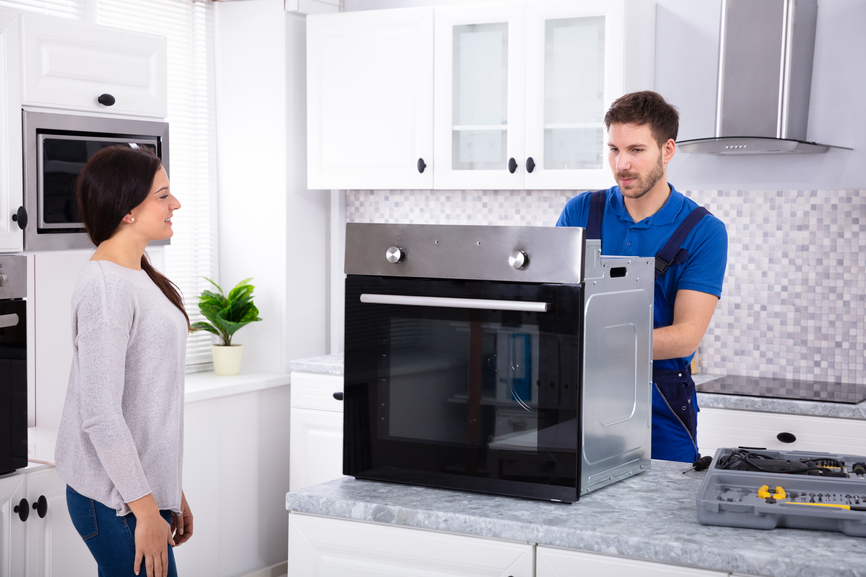
Smiling Repairman Repairing Oven On Kitchen Worktop In Front Of Woman


Oven Not Heating Up: Common Causes and Effective Solutions for Repair

Dealing with an oven that fails to heat up can be incredibly frustrating, especially when you’re eager to cook a delicious meal. When your oven doesn’t reach the desired temperature or doesn’t heat at all, it can disrupt your cooking plans and lead to undercooked or ruined dishes. Understanding the common causes behind this issue and knowing effective repair solutions is essential for troubleshooting and resolving the problem promptly. This article will explore why an oven may not be heating up and discuss appropriate solutions to restore its functionality.

Faulty Heating Element

A faulty heating element is one of the most common culprits behind an oven not heating up. In electric ovens, heating elements generate heat and evenly distribute it throughout the cavity. Over time, these elements can wear out, develop cracks, or become damaged, resulting in insufficient or no heat production. If you suspect a faulty heating element, it’s best to consult a professional technician who can thoroughly inspect the element, test it for continuity, and replace it if necessary to restore proper heating functionality.

Igniter Malfunction

For gas ovens, the igniter plays a crucial role in initiating the combustion process to produce heat. If the igniter is faulty or fails to ignite the gas, the oven will not heat up. Signs of a malfunctioning igniter include no glow or a weak glow when the oven is turned on. In such cases, the igniter should be replaced by a professional technician to ensure proper ignition and heating. They will assess the igniter’s functionality, check for appropriate voltage, and replace it if necessary to restore heat production.

Temperature Sensor Issues

Ovens are equipped with temperature sensors to monitor and regulate the internal temperature. If the sensor becomes faulty or inaccurate, it may send incorrect signals to the oven control board, resulting in improper temperature readings and heating malfunctions. A professional technician can test the sensor’s resistance and compare it to the specified range. If the sensor is out of range, it should be replaced to restore accurate temperature control. They will carefully disconnect the faulty sensor, install a new one, and calibrate it to ensure precise temperature regulation.

Thermostat Problems

The thermostat is responsible for maintaining the desired temperature in the oven. If the thermostat becomes defective or loses calibration, it can cause the oven to heat inaccurately or not at all. A professional technician can diagnose thermostat issues by testing its accuracy and recalibrating or replacing it to ensure proper temperature regulation. They will carefully examine the thermostat, check for any irregularities, and either recalibrate it or replace it with a new one, depending on the extent of the problem.

Control Board Failure

The control board, the main oven control or clock/timer, manages the oven’s functions, including temperature control and heating element operation. If the control board malfunctions or fails, it can disrupt the oven’s heating process. A professional technician can diagnose control board issues by testing its functionality and replacing the faulty component to restore proper oven operation. They will carefully inspect the control board for any visible signs of damage, perform diagnostic tests, and replace the defective board if necessary, ensuring that all functions are restored.

Wiring Problems

Electric ovens rely on a complex wiring network to power the various components and provide heat. Loose connections, damaged wires, or short circuits can prevent the oven from heating up. A professional technician has the expertise to inspect the wiring, identify any issues, and perform the necessary repairs to restore proper electrical flow. They will carefully examine the wiring connections, check for loose or damaged wires, and repair or replace them as needed to ensure a reliable power supply to the oven.

Gas Supply Issues

A lack of gas supply or a faulty gas valve can prevent the oven from heating up in gas ovens. A professional technician can inspect the gas supply line, check for leaks, and ensure the gas valve is functioning correctly. They will carefully examine the gas supply line, perform pressure tests, and repair or replace faulty components to restore the gas supply and enable proper heating. They will also check the gas valve to ensure it opens and closes correctly, allowing gas flow when necessary.

When your oven fails to heat up, it can be frustrating and inconvenient, especially when preparing a meal. By understanding the common causes behind this issue and knowing the appropriate repair solutions, you can effectively troubleshoot and resolve the problem. Whether it’s a faulty heating element, igniter malfunction, temperature sensor issue, thermostat problem, control board failure, wiring problem, or gas supply issue, professional technicians have the expertise to diagnose and repair the specific cause of the problem. If your oven is not heating up, it is advisable to seek the assistance of a professional repair service to ensure accurate diagnosis and practical solutions. With prompt and proper repair, you can restore your oven’s functionality and enjoy deliciously cooked meals.

Suppose you are having oven issues and need oven repair in Oklahoma City contact Appliance Repair OKC Services by calling 405-378-4566 or visit our website at https://www.okcappliance.com. Alternatively, you can also visit our Google business website at https://cutt.ly/YEnc8qk.


The post Oven Not Heating Up: Common Causes and Effective Solutions for Repair appeared first on Appliance Repair OKC Services | Best Appliance, Washing Machine Repair Company in Oklahoma.
Thursday, June 1, 2023

The Hidden Dangers of Ignoring Oven Repair Issues

oven repair okc

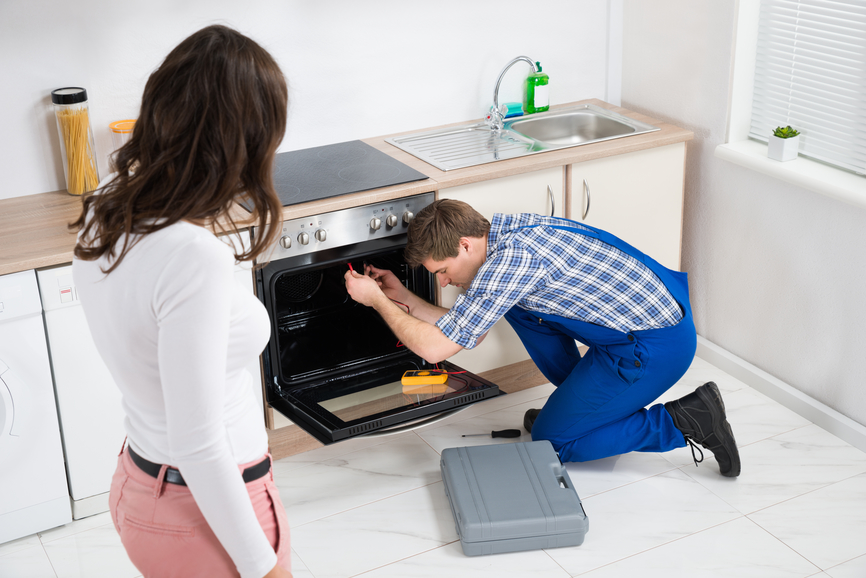
technician repairing oven with customer


The Hidden Dangers of Ignoring Oven Repair Issues

Your oven is an essential appliance in your kitchen, enabling you to prepare delicious meals and treats for yourself and your family. However, like any other mechanical device, ovens can develop problems over time. Ignoring these repair issues can have hidden dangers that can compromise not only the functionality of your oven but also your safety. In this article, we will explore the potential hazards of disregarding oven repair issues and emphasize the importance of timely intervention.

Fire Hazard:
One of the most critical dangers associated with ignoring oven repair issues is the increased risk of fire. Faulty heating elements, malfunctioning thermostats, or damaged electrical wiring can all contribute to a potential fire hazard. When these problems are left unattended, the risk of a devastating fire in your kitchen significantly increases. Preventing such a hazardous situation requires addressing any repair issues promptly.

Gas Leaks:
If you have a gas oven, ignoring repair issues can lead to gas leaks, which can have severe consequences. Damaged gas lines, faulty valves, or worn-out connectors can cause gas to escape into your home. Gas leaks are highly dangerous, as they can lead to explosions or carbon monoxide poisoning. Carbon monoxide is a colorless, odorless gas that can be deadly when inhaled. Regular maintenance and prompt repair of your gas oven are vital to ensure your safety.

Poor Cooking Performance:
Ignoring repair issues may result in poor cooking performance and inconsistent heat distribution in your oven. When components such as heating elements, fans, or thermostats are not functioning correctly, your oven may struggle to reach and maintain the desired temperature. This can lead to undercooked or unevenly cooked food, affecting both the taste and the safety of the dishes you prepare.

Energy Inefficiency:
A malfunctioning oven can also consume more energy than necessary. For instance, if the oven door doesn’t seal properly, heat may escape, forcing the oven to work harder to maintain the desired temperature. This increased energy consumption can lead to higher utility bills and have a negative impact on the environment. Addressing repair issues promptly will not only ensure optimal oven performance but also help you save energy and reduce your carbon footprint.

Shortened Lifespan of the Oven:
When repair issues are left unaddressed, they can contribute to the accelerated deterioration of your oven. Minor problems that could have been easily fixed can escalate into more significant issues, potentially rendering the appliance irreparable. By ignoring repair issues, you risk shortening the overall lifespan of your oven, which may necessitate a costly replacement sooner than expected.

Voiding Warranty:
Many ovens come with manufacturer warranties that cover certain repairs within a specific time frame. However, these warranties often have terms and conditions, one of which is regular maintenance and timely repair. If you neglect to address repair issues promptly, you may inadvertently void the warranty, leaving you responsible for all future repair costs. To protect your investment and ensure warranty coverage, it is crucial to address any issues as soon as they arise.

Increased Repair Costs:
Ignoring minor repair issues can lead to more significant problems down the line. What might have been a simple fix can turn into a complex and expensive repair job if left unattended. By neglecting repair issues, you not only put yourself at risk of additional expenses but also risk damaging other components of your oven, which can further escalate the repair costs.

In conclusion, ignoring oven repair issues can have serious consequences, ranging from fire hazards and gas leaks to poor cooking performance and increased energy consumption. To ensure your safety, prolong the lifespan of your oven, and avoid unnecessary expenses, it is crucial to address any repair issues promptly. Regular maintenance, timely repairs, and professional assistance when needed are key to keeping your oven functioning properly and maintaining a safe kitchen environment.

If you are having oven issues and need oven repair in Oklahoma City contact Appliance Repair OKC Services by calling 405-378-4566 or visit our website at https://www.okcappliance.com. Alternatively you can also visit our Google business website at https://cutt.ly/YEnc8qk.


The post The Hidden Dangers of Ignoring Oven Repair Issues appeared first on Appliance Repair OKC Services | Best Appliance, Washing Machine Repair Company in Oklahoma.

Thursday, May 25, 2023

The Hidden Dangers of Ignoring Oven Repairs: Don’t Let Them Go Unnoticed

Oven Repair OKC

Smiling Repairman Repairing Oven On Kitchen Worktop In Front Of Woman


The Hidden Dangers Of Ignoring Oven Repairs: Don’T Let Them Go Unnoticed

A malfunctioning oven can be a serious hazard in your home. It is important to recognize the signs that your oven needs repair before it becomes a bigger problem. One of the most common signs that your oven needs repair is if it takes longer than usual to preheat or cook food. This could indicate a faulty heating element or thermostat.

Another sign is if you notice uneven cooking or burnt spots on your food, which can be caused by a faulty fan or burner. If you hear strange noises coming from your oven, such as rattling or banging sounds, this could also indicate a problem with the fan or motor. Additionally, if you smell gas while using your oven, this is a serious issue that requires immediate attention from a professional technician.

Don’t ignore these signs and risk potential danger in your home – call for repairs as soon as possible.
Ignoring oven repairs can lead to a variety of risks that can affect both your health and safety. One of the most common risks is fire hazards. Faulty wiring, damaged heating elements, or malfunctioning thermostats can all cause your oven to overheat and start a fire. This can be especially dangerous if you are not at home when it happens. In addition to fire hazards, ignoring oven repairs can also result in gas leaks if you have a gas-powered oven.

Gas leaks are highly dangerous and can cause explosions or carbon monoxide poisoning if not detected and addressed promptly. Another risk of ignoring oven repairs is that it can affect the quality of food you cook. A faulty thermostat or heating element may not heat up your food evenly, resulting in undercooked or overcooked meals that are unsafe for consumption.

Fire hazards associated with broken ovens are a serious concern that should not be ignored. A malfunctioning oven can easily cause a fire in your home, putting your family and property at risk. One of the most common causes of oven-related fires is a faulty heating element, which can overheat and ignite any nearby flammable materials. Another common issue is a malfunctioning thermostat, which can cause the oven to overheat or fail to shut off properly, also leading to potential fires.

In addition, dirty or clogged oven vents and filters can cause heat buildup and potentially lead to fires. It’s essential to keep these components clean and well-maintained to prevent any risks. Ignoring these issues can have disastrous consequences, including property damage, injuries, or even fatalities. Therefore, it’s crucial to address any signs of malfunctioning in your oven promptly. Regular inspections by an experienced technician can help identify potential fire hazards before they become serious problems.

Carbon monoxide poisoning is a serious risk associated with malfunctioning ovens. Carbon monoxide is an odorless, colorless gas that is produced when fuels such as gas, oil, and wood are burned. When an oven malfunctions, it can produce carbon monoxide instead of carbon dioxide and release it into the air. If this happens in a poorly ventilated area, the gas can build up to dangerous levels and cause symptoms such as headaches, dizziness, nausea, and even death.

It is important to have your oven regularly inspected and repaired by a qualified professional to prevent these dangers from occurring. Symptoms of carbon monoxide poisoning can be easily mistaken for other illnesses or conditions, so it’s important to have a working carbon monoxide detector in your home as well. Don’t ignore the hidden dangers of malfunctioning ovens – ensure that yours is working properly and safely to protect yourself and your family from potential harm.

The importance of timely oven repairs cannot be overstated. Ignoring small issues with your oven can lead to more significant problems down the line, including safety hazards and expensive repair bills. A malfunctioning oven can emit harmful gases that pose a threat to your health and the environment. Moreover, a faulty oven can cause fires in your home that can lead to devastating consequences.

Timely repairs ensure that your oven is operating at optimal efficiency, reducing energy consumption and saving you money on utility bills. Additionally, repairing your oven promptly can help extend its lifespan, reducing the need for costly replacements. Ignoring minor issues with your oven may seem insignificant at first, but it is vital to prioritize repairs promptly. Regular maintenance and inspections by a professional technician are essential in preventing potential hazards and ensuring the longevity of your appliance.

Remember, investing in timely repairs today will save you from significant expenses and stress in the future!
If you’ve noticed that your oven is not working as well as it used to, it’s important to find a reliable repair service to fix the issue before it becomes a bigger problem. Ask for referrals: Check with friends and family members who have had their ovens repaired recently. They can provide you with recommendations of reliable repair services. Check reviews: Look up online reviews of local repair services.

Make sure to read both positive and negative reviews. Check credentials: Ensure that the repair service has the necessary licenses and certifications to perform repairs on your specific oven brand. Get quotes: Compare quotes from multiple repair services before choosing one. Be wary of any quote that seems too good to be true. Warranty: Find out if the repair service offers a warranty on their workmanship and parts used in the repairs.

Regular maintenance of your oven is essential to keep it functioning properly and prevent major repairs down the line. Clean the oven regularly: Regular cleaning of your oven will prevent the buildup of grease, food debris, and other residues that can cause problems. Check the door seal: A damaged door seal can cause heat loss and uneven cooking. Check it periodically and replace it if necessary.

Use proper cookware: Using the wrong type of cookware can damage your oven’s heating elements or even cause a fire. Always use cookware recommended by the manufacturer. Check the heating elements: If you notice that your oven is not heating up properly, check the heating elements for signs of damage or wear and tear.

If you are having oven issues and need oven repair in Oklahoma City contact Appliance Repair OKC Services by calling 405-378-4566 or visit our website at https://www.okcappliance.com. Alternatively you can also visit our Google business website at https://cutt.ly/YEnc8qk.


The post The Hidden Dangers of Ignoring Oven Repairs: Don’t Let Them Go Unnoticed appeared first on Appliance Repair OKC Services | Best Appliance, Washing Machine Repair Company in Oklahoma.

Wednesday, January 18, 2023

My Oven Stopped Working While Cooking?

oven repair OKC

appliance repair technician repairing oven


My Oven Stopped Working While Cooking?

If your oven suddenly stops working while you’re cooking, it can be a frustrating and potentially dangerous situation. However, there are several steps you can take to troubleshoot the problem and get your oven back up and running as soon as possible.

The first thing you should do is check the power supply to your oven. Make sure that the plug is securely plugged into the outlet, and that the outlet itself is working properly. If the outlet is not working, you may need to check the circuit breaker or fuse box to see if a circuit has been tripped or a fuse has blown.

If the power supply appears to be working properly, the next step is to check the oven’s controls. Make sure that the oven is set to the correct temperature and that the timer is set properly. If the oven’s controls seem to be working properly, but the oven is not heating up, the problem may be with the heating elements or thermostat.

If the heating elements or thermostat appear to be working properly, the next step is to check the oven’s door seal. A damaged or worn door seal can cause the oven to lose heat, which can prevent it from working properly. If the door seal is damaged, it will need to be replaced.

Another possible cause of an oven that stops working while cooking is a problem with the oven’s fan or ventilation system. A clogged or malfunctioning fan or ventilation system can prevent the oven from heating up properly. If this is the case, the fan or ventilation system will need to be cleaned or repaired.

If you have checked all of these potential causes and your oven still isn’t working properly, it may be time to call in a professional. A qualified appliance repair technician will be able to diagnose the problem and provide you with an estimate for the repairs.

In summary, an oven that stops working while cooking can be caused by a variety of issues, including a problem with the power supply, controls, heating elements or thermostat, door seal, or fan or ventilation system. By following these troubleshooting steps, you can quickly identify the problem and take steps to get your oven back up and running. If you are unable to fix the problem yourself, it is best to call a professional to diagnose and repair the problem to avoid any further damage or risk of injury.

In addition to the troubleshooting steps outlined above, there are a few other things you can check if your oven stops working while cooking.

One possible cause of an oven that stops working is a problem with the oven’s sensor. The oven’s sensor is responsible for monitoring the temperature inside the oven, and if it is not working properly, it can cause the oven to malfunction. If you suspect that the sensor is the problem, you can try cleaning it with a damp cloth. If this doesn’t work, you may need to replace the sensor.

Another possible cause of an oven that stops working is a problem with the oven’s ignition system. If the ignition system is not working properly, the oven will not be able to light, and it will not be able to heat up. If you suspect that the ignition system is the problem, you may need to call in a professional to repair or replace it.

If your oven stops working while cooking, it is also important to check the oven’s venting system. A clogged vent can cause the oven to overheat and shut off, preventing it from working properly. To check the vent, look for any blockages and clean out any debris that you find.

It is also important to check the oven’s insulation. If the insulation is damaged or worn, it can cause the oven to lose heat, which can prevent it from working properly. If you suspect that the insulation is the problem, you may need to call in a professional to repair or replace it.

Another possible cause of an oven that stops working is a problem with the oven’s control board. The control board is responsible for controlling all of the oven’s functions, and if it is not working properly, it can cause the oven to malfunction. If you suspect that the control board is the problem, you may need to call in a professional to repair or replace it.

If your oven stops working, it is also important to check for any error codes that may be displayed on the oven’s control panel. These codes can indicate specific problems with the oven, and they can help you identify the cause of the malfunction.

In conclusion, an oven that stops working while cooking can be caused by a variety of issues, including a problem with the power supply, controls, heating elements or thermostat, door seal, fan or ventilation system, sensor, ignition system, venting system, insulation, or control board. By following the troubleshooting steps outlined above, you should be able to quickly identify the problem and take steps to get your oven back up and running. If you are unable to fix the problem yourself, it is best to call a professional to diagnose and repair the problem to avoid any further damage or risk of injury. Also, it is important to keep the oven clean and well-maintained to prevent any such incidents.

If you are having oven issues and need oven repair in Oklahoma City contact Appliance Repair OKC Services by calling 405-378-4566 or visit our website at https://www.okcappliance.com. Alternatively you can also visit our Google business website at https://cutt.ly/YEnc8qk.


The post My Oven Stopped Working While Cooking? appeared first on Appliance Repair OKC Services | Best Appliance, Washing Machine Repair Company in Oklahoma.

Friday, October 21, 2022

My Oven Isn’t Self-Cleaning?

Oven Repair OKC

Smiling Repairman Repairing Oven On Kitchen Worktop In Front Of Woman


My Oven Isn’t Self-Cleaning?

Your oven is designed to keep the door of the oven locked while the clean cycle is running, to prevent you from opening it and creating a danger. After the self-cleaning cycle is completed, the door remains locked until your oven has fully cooled down and is safe to open. If you interrupted the cleaning cycle by opening the door, and the latch has engaged, and now you cannot shut the door, the oven may have a door-activating switch on the front of the appliance.

While your oven might stand up to some self-cleaning, the more you use this feature, the more likely it becomes that someday, your oven simply does not light up after the clean cycle. If your oven does not start after the self-clean cycle is complete, then the parts that you will really want to look at are any parts with a chance of being damaged from high heat.

As mentioned earlier, the oven is heated up very hot while running the self-cleaning cycle, so an over-tripped thermal fuse is the most likely reason why your oven is not working. Once a thermal fuse is tripped, power is no longer flowing to the heating elements, and the oven does not heat.

The latter, instead, uses heat-activated coil springs that slowly latch on to the doors while the oven is heated. When an oven gets this hot, it may sever power connections with elements or igniters, so any heat-related features on the oven are not working, and you may feel a cooling fan turn on while using the oven. Because you cannot open the oven door quickly to release the heat, it takes longer for it to cool as heat escapes through the vents in the oven.

If you cannot open your oven door once it is cool, then you will need to have a professional repair it. If only the window of your stove top is dirty, take off the panel of the doors and scrub the glass clean like new. If you notice later that the glass panels inside your oven door are still dirty, spread some baking soda over the glass and spray it lightly with water to make a paste.

This part of cleaning your oven takes around 12 hours, so be sure to begin this process when you know you are not going to be using your oven to cook. Just as often decluttering means less deep cleans later, the more you declutter your oven, the easier the cleanup process will feel. In addition to making chores easier to tolerate, a clean oven makes for delicious meals and less germs.

Wiping countertops and wiping dirty dishes might seem like second nature, but it is easy to forget about cleaning the oven. Whether you are cooking up a five-course dinner, or have never officially cleaned an oven (hey, we are not judging), chances are, your stove needs a thorough cleaning, stat. Because a dirty oven takes longer to heat and can lead to dangerous grease fires, it is important to make it a habit to clean it regularly. Cleaning your stove top may increase your stoves life, but even with the best cleaning and maintenance, your stovetop eventually breaks down due to regular wear.

Checking for an oven failure right after or during the clean cycle is no different than checking your oven at any other time, but there are a few common faults that will occasionally happen during a clean cycle. For instance, if either the Bake or Broil elements are about to go bad, running the ovens self-clean cycle is more likely to result in an element going bad then, instead of after three weeks. While it is usually best to avoid using this function and instead clean the oven using good ol elbow grease and approved cleaning products, if the self-cleaning feature has caused the oven to become unusable, heres what you can check to see if you can make it work again. The general theme is that your ovens self-clean function was simply used in an oven, and now it is not working, glass is broken, the clock is missing, doors will not open, doors will not close.

Because temperatures are about 900F, if components are bad, or if your doors will not close, your oven wont allow self-cleaning function to begin. One of the biggest contributing factors for this to happen is when the oven is cleaning itself, it is heating up at very high temperatures, and that could cause components inside of the oven to break down and prevent it from working. This is because an oven cleaning cycle heats the oven to a little less than 900 degrees compared to the average 350-degree baking cycle. Once a flame is lit in a gas stove, heat immediately begins and is easy to regulate depending on flame size, which allows for faster cook times and higher temperatures.

Whether the stove uses the flame to provide heat or the coils to provide electricity, ovens can be set at higher temperatures for cooking a wider range of meals and treats. Cooking in the electric oven gives you the dry-baking experience, which makes it ideal for adding a crispness or crunch to food, ideal for crispy cookies or stir-fries.

If you have an oven that does not unlock after the cycle, there are some things you can try. Sometimes, if you turn the electricity off and then back on for the oven, you can reset the oven and it will open. If you are trying to use the oven after running the cleaning cycle, and you see the Control Panel showing “Locked”, “LOC”, “Locked Doors”, or a light that is simply blinking, you need to test your door latch switches.

If you are having oven issues and need oven repair in Oklahoma City contact Appliance Repair OKC Services by calling 405-378-4566 or visit our website at https://www.okcappliance.com. Alternatively you can also visit our Google business website at https://cutt.ly/YEnc8qk.


The post My Oven Isn’t Self-Cleaning? appeared first on Appliance Repair OKC Services | Best Appliance, Washing Machine Repair Company in Oklahoma.

Friday, January 7, 2022

My Oven Does Not Heat To The Correct Temperature?


My Oven Does Not Heat To The Correct Temperature?

We'll discuss 5 reasons your oven won't heat up from power problems to a faulty igniter to quickly fix this reliable device. These 5 reasons your oven won't heat up properly can save you valuable troubleshooting time to get to the root of the problem.

We'll take a look at some of the common causes of oven temperature problems so you can fix the problem quickly. In this article, we'll take a look at some of the reasons your oven isn't heating up properly and what you can do to adjust the oven temperature.

In all fairness, when your oven cannot maintain its temperature, the most likely culprit is a malfunctioning thermostat or heating element in the oven. However, if both are tested, the temperature may not be maintained because the oven does not get enough power to operate the heating element. Click learn more.

Posted via https://local.google.com/place?id=13728082591528836518&use=posts&lpsid=7728597594565231127