Showing posts with label oven control board repair. Show all posts

Wednesday, May 8, 2024

When Cooking Goes Cold: Expert Oven Repair Technicians Can Help

oven reapir Oklahoma City

When Cooking Goes Cold: Expert Oven Repair Technicians Can Help


Common Signs Of A Cold Oven: Troubleshooting Tips For Home Cooks

When your oven fails to heat up, it’s not just the appliance that goes cold but also your enthusiasm for cooking. Recognizing the common signs of a malfunctioning oven is crucial for any home cook. Often, the issue manifests subtly; you might notice that meals take longer to cook or that baked goods aren’t rising as they should. These could be early warnings of an inconsistent temperature or a heating element on the brink of failure.

Another telltale sign is when the oven struggles to maintain a set temperature, fluctuating more than usual, which can ruin delicate dishes. Sometimes, the problem is as apparent as the oven not heating, leaving you with uncooked meals despite following recipes to the letter.

Before calling an expert repair technician, you can take troubleshooting steps. Verify that your oven is receiving power and check any fuses or circuit breakers to see if they are electric. For gas ovens, ensure the pilot light is lit. Cleaning interior vents and checking for obstructions can also solve airflow issues affecting temperature regulation.

Understanding these signs helps diagnose problems early, potentially saving a cold dinner from becoming a recurring theme in your home.

The Importance Of Regular Oven Maintenance To Prevent Cooking Disasters

Regular maintenance of your oven is not just about keeping it clean; it’s crucial to ensure its longevity, efficiency, and safety. When overlooked, minor issues can evolve into significant problems, leading to unexpected cooking disasters that could have been easily prevented. Regular oven maintenance involves checking and replacing worn or faulty parts, such as seals and heating elements, which can affect cooking temperatures and lead to undercooked or overcooked meals.

It also includes calibrating the thermostat to ensure accurate temperature settings, preventing those frustrating moments when recipes don’t turn out as they should.

Moreover, a well-maintained oven consumes less energy and reduces the risk of dangerous malfunctions like gas leaks or electrical fires. Such preventive measures save homeowners from costly repairs or replacements and safeguard their homes and families from potential hazards. By investing a little time and effort into regular oven maintenance, you can maintain a reliable appliance that consistently produces delightful dishes, ensuring your cooking remains hot while avoiding those cold moments of culinary disappointment.

Expert Advice On How To Keep Your Kitchen Appliances Running Smoothly

Maintaining the smooth operation of kitchen appliances, especially ovens, is paramount for anyone who loves to cook or wants to enjoy a hassle-free kitchen experience. According to expert oven repair technicians, several vital practices can significantly contribute to the longevity and efficiency of these essential appliances.

Firstly, routine cleaning is not just about maintaining appearances; it is crucial in preventing build-up that can lead to malfunctions or decreased efficiency. Experts recommend using non-abrasive cleaners and paying particular attention to removing grease and food residues, which can cause unpleasant odors and potentially ignite.

Moreover, you must be mindful of the load you place on your oven. Overloading or using improper cookware can strain its heating elements and lead to uneven cooking or longer preheating times. Similarly, respecting the capacity of other kitchen appliances like refrigerators and dishwashers ensures they run smoothly without undue stress on their systems.

Additionally, scheduling regular maintenance checks can catch minor issues before they escalate into major problems. Technicians advise against overlooking seemingly minor anomalies, such as unusual noises or slight malfunctions; these could be early warning signs that need professional attention.

By adhering to these practices suggested by experts, you can ensure your kitchen appliances remain reliable workhorses rather than becoming troublesome liabilities.

Why You Should Leave Oven Repair To Professional Service Technicians

The complexities involved in repairing a malfunctioning oven can make it daunting for most homeowners. Unlike more straightforward household repairs requiring minimal technical knowledge or experience, fixing an oven demands a comprehensive understanding of electrical systems and the intricate mechanisms that enable its operation. This is why entrusting such repairs to professional service technicians is advisable and necessary.

Professional technicians have the training and experience to diagnose and fix problems efficiently and safely. They are well-versed in handling the various risks associated with oven repair, including electrical hazards and gas leaks, which can pose significant dangers to those unfamiliar with these systems. Moreover, attempting DIY repairs on an oven can inadvertently exacerbate the issue, leading to more costly fixes down the line or even rendering the appliance beyond repair.

Furthermore, professional service technicians can access the specific tools and replacement parts needed for various makes and models. This ensures that repairs are done correctly and with the appropriate materials, thereby extending the lifespan of your appliance. In essence, leveraging their expertise guarantees safety and saves time and money in the long run, making it a wise decision for any homeowner facing oven troubles.

How Professional Oven Repair Technicians Can Get Your Cooking Back On Track

When your oven malfunctions, it’s not just an inconvenience; it’s a disruption to daily life and the joy of cooking. Professional oven repair technicians are the unsung heroes in these scenarios, possessing the expertise and tools to diagnose and solve even the most perplexing issues. These skilled professionals understand the intricacies of various oven models, from traditional gas ovens to modern electric and convection ovens, ensuring they can handle any problem.

The process begins with a thorough examination, where technicians use their knowledge to identify evident and hidden issues. They’re equipped with specialized tools for precise diagnosis and repair, which is crucial for fixing complex electrical components or intricate gas lines safely and effectively. Beyond their technical skills, these experts bring convenience by offering timely repairs that minimize kitchen downtime.

Moreover, professional oven repair technicians often provide valuable advice on maintaining your oven’s optimal performance post-repair, extending its lifespan. By entrusting your appliance to these experts, you ensure a swift return to creating warm meals and memories without the risk or hassle of DIY fixes.

To schedule refrigerator repairs in Oklahoma City, contact Appliance Repair OKC Services by calling 405-378-4566, visiting our website at https://www.okcappliance.com, or visiting our Google business page at https://cutt.ly/YEnc8qk. Call now!


The post When Cooking Goes Cold: Expert Oven Repair Technicians Can Help appeared first on Appliance Repair OKC Services | Best Appliance, Washing Machine Repair Company in Oklahoma.

Wednesday, April 5, 2023

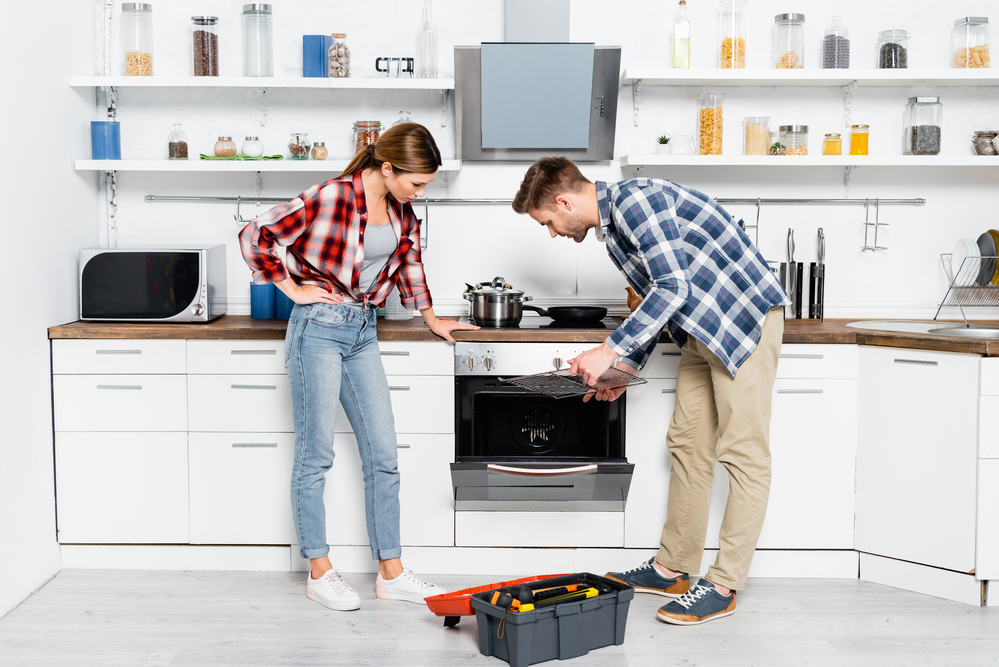
“The Ultimate Guide to Oven Repair: Tips and Tricks for DIY Fixes”

oven repair okc

technician repairing oven with customer


“The Ultimate Guide To Oven Repair: Tips And Tricks For Diy Fixes”

This article provides tips and tricks for repairing common oven issues, including how to troubleshoot common oven issues on your own, when to call a professional, and what to do if your appliance is still under warranty. Whether you are an experienced baker or a novice cook, this guide will help you fix oven malfunctions in no time. It discusses the most common causes of oven problems, from gas supply issues to malfunctioning thermostats. The article also gives recommendations on when to call a repair service and how to bring in a professional for assistance. As a baker or cook, it is important to know the common issues that can affect your oven and baked goods. This guide offers advice on how to troubleshoot these common problems and determine whether you need to call an expert for help. By following these tips and tricks, you can save time and money while making sure your oven is running properly again.

If you are an experienced appliance repair professional or have the right tools and training, you can easily repair home appliances, including your ovens. If not, it’s always a good idea to check your kitchen appliances regularly to detect potential problems. Using a professional repair service is often the best way to ensure that all of your home appliances are running properly and safely. The tips and tricks provided in this guide can help even those with limited experience in repairing small appliances. Assistance is also available for more complex issues that you may encounter when repairing home appliance problems.

If you need help with diy repairs for your oven this guide can help. It provides tips and tricks to help you keep your appliance in working order while saving money by doing repairs yourself. Necessary replacement parts can be purchased from your local hardware store or online retailers. Professional technicians specialize in many types of oven repairs but may also handle technical stuff related to microwaves and other small appliances like faucets, garbage disposals, dishwashers etc. Minor repairs can usually be handled by the homeowner but more complex problems should always be left to a professional technician for safety reasons.

The Ultimate Guide To Oven Repair is a great article for the homeowner who wants to make most of their home appliance repairs themselves. It covers a wide range of common problems that can be found with ovens, furnaces, and other appliances. Abel has put together a comprehensive guide that covers the elements and parts used in appliance repair as well as helpful tips on how to diagnose and fix broken appliances. This guide is perfect for those who are not comfortable spending money on expensive repairs or do not have access to professional technicians. With this book, homeowners can handle nearly all of their home appliance repair needs without the help of professionals, saving them time and money.

Tips and Tricks guide provides tips, guidance and handy videos to help you repair your home appliances. It doesn’t matter if the appliance is large or small, our tips will help you diagnose what’s wrong. Repairing a broken appliance can be a stressful undertaking, but with the right tips and guidance in hand, it won’t be an intimidating experience.

The Ultimate Guide To Oven Repair can help you avoid the hassle of making expensive replacements or ruining your appliance. It provides detailed instructions on how to work with your oven and the repairs and maintenance it requires. With this guide, you’ll be able to make a few repairs yourself instead of relying on a technician.
It covers repair from the most basic to more serious repairs that involve replacing expensive parts. You should always keep your warranty information safe, as it can help you avoid voiding the warranty if you undertake repairs yourself. This guide can save you hundreds of dollars, as it will help you cut costs by doing some of the work yourself. You’ll learn how to address issues like replacing elements, door gaskets and more on your oven.

By following the tips and tricks in The Ultimate Guide to Oven Repair you can save your appliances from repair or replacement. It will show you how to identify and repair damage, as well as prevent unnecessary damage in the future. If you want to repair your ductwork, such as leaks or cracks, rust or corrosion, this guide is a great resource. Plus it will give you an understanding of when a replacement refund or warranty may be your best option.

“This guide is the perfect resource for anyone looking to take on the intimidating task of repairing ovens. The first step is inspecting the ovens, which should include looking for marks, broken wires, and burnt marks. If these are all in order then you can move on to inspecting the panel to determine if a faulty heating element needs replacement. If your oven warranty covers such damage then it may be your best option as an electrician may be needed to ensure that repairs are done correctly and safely.

The ultimate guide, provides help for multiple gas oven repairs as well as correcting an inaccurate oven temperature. It also offers troubleshooting advice if your oven has a blown interior fuse or faulty relay switch and even suggests troubleshooting repairs if the switch is damaged or control board has been found to be damaged.

The Ultimate Guide To Oven Repair is an invaluable blog for any kitchen appliance enthusiast. It provides detailed step-by-step instructions, exploring common causes of oven temperature inaccuracies, and providing repair techniques for more complex repairs.

The Ultimate Guide helps you tackle repair projects with confidence. It explains the tools, materials and techniques needed to do the job properly. The guide also provides advice on best maintenance practices to help you save money and increase the lifetime of your appliance. By making resources available for tackling appliance repair on your own, it can reduce the burden on professional appliance repair services and make DIY fixing a more viable option for many households.

If you are having oven issues and need oven repair in Oklahoma City contact Appliance Repair OKC Services by calling 405-378-4566 or visit our website at https://www.okcappliance.com. Alternatively you can also visit our Google business website at https://cutt.ly/YEnc8qk.


The post “The Ultimate Guide to Oven Repair: Tips and Tricks for DIY Fixes” appeared first on Appliance Repair OKC Services | Best Appliance, Washing Machine Repair Company in Oklahoma.
Wednesday, March 1, 2023

Understanding Your Oven’s Error Codes

oven repair okc

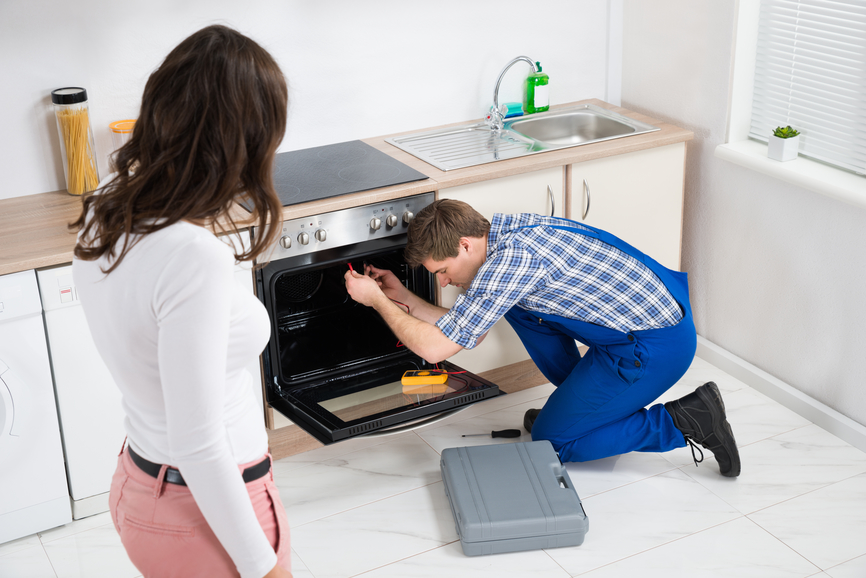
technician repairing oven with customer


Understanding Your Oven’s Error Codes

If your GE stove displays the F9 error code, that means that the stove door latch is not working. If the oven is showing F33 error codes in your ovens display, that means the door lock for the self-cleaning program is not turning off.

If you notice any apparent damage on the inside of your oven, it is very likely the self-clean feature is the culprit of error F2. If an F2 error code is generated while the self-cleaning function is running, it is possible that a self-cleaning cycle damaged the ovens interior, or one component, such as the control board. If the temperature sensor in the oven is working correctly, the second most common cause of an F2 error code is a damaged control board.

An oven clock problem can also be the culprit, and in most models, this would require replacing the control board. Sometimes, the KitchenAid oven error code will indicate a temporary problem, which can be fixed by restarting power to the oven. The most handy solution is to reboot the ovens power, which can be done by turning it off and then back on, or looking in the circuit breaker box.

For a temporary fix to the issue, you can reset your GE oven either by turning off power to the oven for three minutes, or resetting the oven via the keypad (check your ovens manual for instructions to reset). Removing the error code by disabling power works if this is an outage, but if the error code returns, that means that there is still a potentially hazardous issue with your oven, which you should find and correct ASAP. If the “In use” indicator is down, but the oven is still powered on, it is likely there is an issue with the control panel.

If the In Use? indicator is lit, it means that your oven is still on, and you just have to wait until it finishes the cycle. Locking Doors If Unlocking Doors is flashing on the display of your range or oven, and a self-cleaning cycle has not been selected, reset the controls.

If F32 appears on your ovens display, this indicates there is an issue with the self-cleaning programs door locking. If you see an oven fault code from Miele, like F01, F02, F03, or F04, that is a sign that a defective part might be present and needs to be replaced. If an FXX error code appears on the display of the cooker, this means a fault has occurred which could be unidentified or requires a professional diagnosis.

If the error code comes as a surprise, maybe you did not use the self-cleaning feature, or you noticed your GE oven seemed uncharacteristically hot, this could just be a malfunction, and restarting your oven would fix the error code.

These error codes may lead to malfunctions with your oven, which can not only ruin your baking, but can lead to safety hazards, too. The latest models from reputable oven manufacturers feature sensors and LCD displays which display a few error codes to the user. Ovens with digital screens have the capability not only of setting the timers and accurate temperature for the oven, but also of showing the error codes if any fault occurs.

From error code information and solutions, the most common problems encountered identifying with Frigidaire ovens are related to the — electronic oven control (EOC), the oven temperature sensor (also known as RTD), electronic surface element control (ESEC) and user interface board (UIB). There are errors signals and malfunctions which can make you think about whether or not to buy a new oven or to take a repair option.

A new oven might work fine for some time, but it eventually needs to be repaired due to one or two malfunctions. If the fault code continues with no electrical outage, an appliance repair professional will conduct a complete examination of your furnace. The fault might not be easy to fix, so for that process, you will need assistance from an appliance repair specialist.

If you ignore these types of errors and continue using your oven as usual, your food will not be cooked correctly, and your oven might turn off mid-cooking. While it can be tempting to ignore this code and keep using your oven normally, doing so could potentially result in more damage. F5 Relay Drive Circuit Failure If you cannot clear this fault code, then replace your ovens controls (also called the Clock or ERC).

F0 A stuck touchpad typically means either the touchpad or the oven control (also called clock or ERC) is defective and needs replacing. Display condition Repaired 2 Digit display F0 or F1 or F5 Transistors failed Replace the ERC (Electronic Range Control) F2 Oven temperature is too hot 1. A* Replace F1-E1 safety switch Replace ERC (Electronic Range Control/Clock) F2 -E0 Keypad shorted Replace F3-E0 F3-E0 Faulty or shorted probe or sensor fuse Replace F3-E1 shorted probe or sensor fuse Replace oven temp probe F3-E2 Oven too hot Replace oven temperature probe F3-E3 Clean temp.

Temperature sensor can become damaged, or the control can develop short circuit issues: check temperature sensor, replace it, if needed. You will need an Ohms meter to check the sensor, most stove sensors should read around 1,100I(c) at 60-80AdegF (15-27AdegC) at room temperature, if the sensor reads exposed or exceedingly high, this means that the sensor is defective and needs replacing, if the readout is exceedingly low instead, the sensor has been shorted (check if wires are touching) and also needs replacing.

If you are having oven issues and need oven repair in Oklahoma City contact Appliance Repair OKC Services by calling 405-378-4566 or visit our website at https://www.okcappliance.com. Alternatively you can also visit our Google business website at https://cutt.ly/YEnc8qk.


The post Understanding Your Oven’s Error Codes appeared first on Appliance Repair OKC Services | Best Appliance, Washing Machine Repair Company in Oklahoma.
Wednesday, February 8, 2023

The Cost of Oven Repair vs. Buying a New One

oven repair OKC

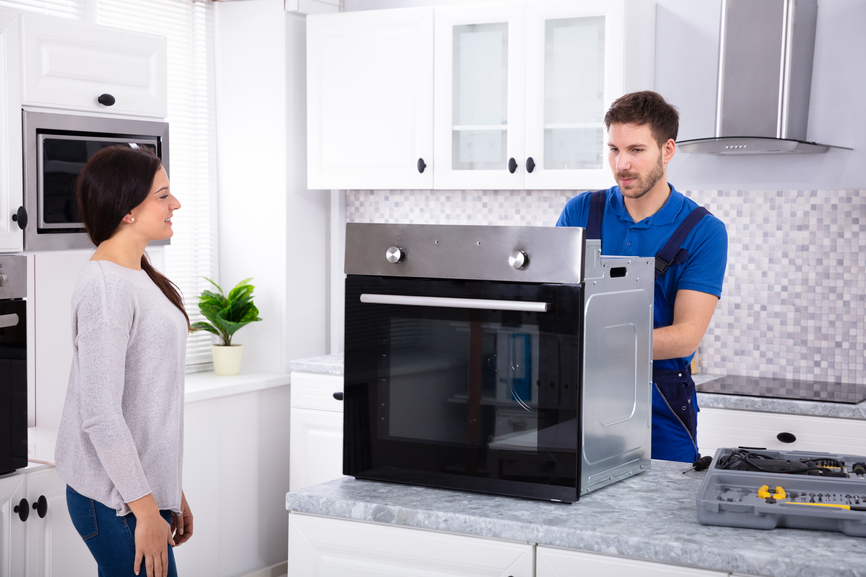
appliance repair technician repairing oven


The Cost of Oven Repair vs. Buying a New One

When your oven breaks down, it can be a major inconvenience. You might be faced with the decision of whether to repair it or replace it with a new one. This decision can be a difficult one, especially if you’re not sure of the costs involved. In this article, we’ll explore the factors that determine the cost of oven repair and compare it to the cost of buying a new one.

Oven Repair Costs

The cost of repairing an oven will depend on several factors, including the type of oven, the severity of the problem, and the cost of labor in your area. Some common oven repairs include fixing the heating element, replacing the thermostat, or fixing the door seal. These repairs can range from a few hundred dollars to over a thousand dollars, depending on the extent of the damage and the cost of parts.

In addition to the cost of labor and parts, you may also need to pay a service fee. This fee is usually a flat rate and covers the cost of the technician’s visit to your home. In some cases, the service fee may be waived if you choose to have the repair done by the technician.

One important thing to consider when determining the cost of oven repair is the age of your oven. If your oven is more than 10 years old, it may not be worth repairing. In this case, it would likely be more cost-effective to replace it with a new one.

Buying a New Oven

The cost of buying a new oven will depend on several factors, including the type of oven, the size, and the features you’re looking for. Basic models can start at around $500, while more high-end models can cost $1,500 or more.

When you buy a new oven, you’ll also need to factor in the cost of installation. Installation costs will depend on the complexity of the job, but can range from a few hundred dollars to over a thousand dollars.

Another thing to consider is the cost of running a new oven. A new oven may be more energy-efficient than your old one, which can result in lower energy bills. However, it’s important to compare the energy efficiency ratings of different models before making a purchase to ensure you’re getting the best deal.

When deciding whether to repair your oven or replace it with a new one, it’s important to consider the costs involved. If your oven is less than 10 years old and the repair is not too extensive, it may be more cost-effective to repair it. However, if the repair is extensive or if your oven is more than 10 years old, it may be more cost-effective to replace it with a new one.

Ultimately, the decision to repair or replace your oven will depend on several factors, including the age of your oven, the extent of the damage, and the cost of labor and parts. By taking the time to carefully consider these factors, you’ll be able to make an informed decision that will be cost-effective and meet your needs.

Warranty and Insurance

Another factor to consider when deciding between repairing and replacing your oven is the warranty and insurance coverage. If your oven is still under warranty, you may be able to get the repair done for free or at a reduced cost. Some manufacturers offer warranties that cover the cost of repairs for a specified period of time.

In some cases, your homeowner’s insurance may also cover the cost of oven repairs. It’s always a good idea to check your policy and understand what is covered and what is not. If your oven is damaged due to a covered event, such as a fire or a burst pipe, your insurance company may cover the cost of repairs or replacement.

Long-term Savings

When deciding whether to repair or replace your oven, it’s important to consider the long-term savings that can be achieved by each option. Repairing your oven may be less expensive in the short term, but it’s possible that the oven will need to be repaired again in the future. Over time, the cost of multiple repairs can add up, making it more cost-effective to replace the oven with a new one.

On the other hand, replacing your oven with a new, energy-efficient model can result in long-term savings. A new oven will likely have a more efficient heating system, which can result in lower energy bills. In addition, a new oven may come with features that can make cooking and baking more convenient, such as a self-cleaning function or a convection setting.

Environmental Impact

When deciding whether to repair or replace your oven, it’s important to consider the environmental impact of each option. Repairing your oven is generally a more environmentally friendly option, as it keeps your old oven in use and out of a landfill.

However, if your oven is more than 10 years old, it may not be as energy-efficient as a new one. A new oven with a more efficient heating system and an Energy Star rating can result in lower energy bills and a smaller carbon footprint.

Final Thoughts

The cost of oven repair vs. buying a new one is a decision that should be made carefully. Factors such as the age of your oven, the extent of the damage, the cost of labor and parts, warranty and insurance coverage, long-term savings, and environmental impact should all be considered before making a final decision.

If you’re unsure whether to repair or replace your oven, it may be helpful to consult with a professional. An oven repair specialist can assess the damage and provide you with a recommendation based on your specific needs and budget.

In conclusion, the decision to repair or replace your oven will depend on several factors, including the age of your oven, the extent of the damage, the cost of labor and parts, warranty and insurance coverage, long-term savings, and environmental impact. By taking the time to carefully consider these factors, you’ll be able to make an informed decision that will be cost-effective and meet your needs.

If you are having oven issues and need oven repair in Oklahoma City contact Appliance Repair OKC Services by calling 405-378-4566 or visit our website at https://www.okcappliance.com. Alternatively you can also visit our Google business website at https://cutt.ly/YEnc8qk.


The post The Cost of Oven Repair vs. Buying a New One appeared first on Appliance Repair OKC Services | Best Appliance, Washing Machine Repair Company in Oklahoma.

Wednesday, January 25, 2023

My Oven Made A Light Popping Noise And Now Won’t Start?

oven repair okc

technician repairing oven with customer


My Oven Made A Light Popping Noise And Now Won’t Start?

This article discusses possible reasons why your oven may be making a popping noise and/or not starting. The article recommends checking the wires and components inside of the oven, as well as turning off the power to the stove. If these measures do not solve the problem, it may be necessary to call a technician. When an oven makes a light popping noise and then won’t start, it could be caused by a number of issues. These include a malfunctioning oven fan motor, problems with the heating elements in the oven, or faulty wiring for the ovens.

A burned bake element accompanied by a popping noise is an indication that there might be a problem with the wiring in the ovens. Another sign is if there is a burning smell coming from the appliance. It could also indicate that something else other than wiring may be wrong. If you sense that your circuit breaker has tripped, this could also be an indicator of what is wrong with your appliance. The popping noise that is often accompanied by this problem could indicate an exposed wire or other electrical components that are not working properly.

If the oven won’t start, you may need to replace the igniter wiring harness. This harness is designed to deliver power to the oven. If this doesn’t resolve the issue, then it is likely that a breaker has blown or a fuse has tripped. You can try replacing the fuse, but if it trips again then you should check your senses circuit breaker. This will tell you if your oven is drawing too much power and whether or not it needs to be reset. If your oven is supposed to receive sparks, but isn’t getting any, then you may need to check the bake element and light or more burner elements for any blockage or damage. Also make sure that all of these are firmly connected and that no wires have come loose in transit.

If the igniter has been checked and tested and the oven still won’t start, then it may be time to replace the igniter. The gas stove needs an igniter to become spark and start the burner. If you hear a clicking noise when you turn on your stove, it is likely that the light burner is working but there is no spark from the igniter. The next step would be to thoroughly clean any debris from around the igniter connections and try again. If this does not solve your problem, then you should consider replacing your oven’s igniter as it may have worn out over time.

This is because the igniter is responsible for providing the spark that ignites the gas in order to start the oven. If your oven’s igniter is worn out, then it won’t be able to provide a spark and thus, it won’t start. The next thing you need to do is check if there are any loose food debris or excess moisture around your burner, as this could be a likely culprit for why your oven won’t start. If this doesn’t work, then you may have a clogged ignition system which could prevent the continuing spark from reaching the burner and therefore, preventing your stove from starting.

You should try turning the ignition switch off and then back on again. If that doesn’t work, you may need to check to see if any of the burner caps have become misshaped or if they have been pushed down too far. If this is the case, you’ll need to replace the caps and turn your stove back on. If a clicking sound is still heard, it could be a sign of faulty wiring and would be best to call an electrician. Another possible cause of this clicking sound could be due to a clogged gas valve which will also need to be cleaned or replaced.

If it is a gas stove then you need to inspect your stove for any signs of scorch or wire which may be causing a drip burning. It could also be due to a faulty electric igniter, in which case you may need to open your stove and check the igniter. If the problem persists then it is best to call an appliance repair technician who can look at the problem more closely and advise on what needs to be done.

If you have tested the oven control board and it is not igniting your oven, then you should inspect the oven control board. This involves taking off the back of the stove to access the components. Once these components have been inspected and found to be in working order, you can turn on the oven and plug it in again. The heating elements helps heat up the stove, so if they are dry or burning shorts, this could be a sign of a problem with one of those components. If this has been solved then it should take about 30 minutes for your oven to reach high temperatures with no signs of any problems.

To troubleshoot this issue, you must first check the power that your oven supplies. Ovens control panel has to generate bake element and become heating elements to generate heat. With more power and heat, it will be able to cook food items in less time. The cook contents inside the oven will open several relays that increase the voltage which can provide more power. Then input your settings on the control panel and flow power through the oven. Afterwards, you can test if it can reach high temperatures with a volt meter.

If your oven is a gas stove, you may need to replace individual ignition switches. These are controlled by the oven control board, which can control several relays that turn on and off different components, including heating elements. If the popping noise was caused by a faulty thermostat or oven sensor, then the entire oven control board may need to be replaced. Depending on the type of your oven and model, you may need to purchase all of its components as an entire assembly or have it installed by a professional electrician.

If your oven has made a light popping noise and now won’t start, it is likely that the spark module or spark electrode needs to be replaced. To check this, try removing the plug from the back of your gas stove and then sending an ignition switch by turning the plug clockwise until you hear a clicking sound. If nothing happens, check the electrical panel to make sure that all electrodes remain in electrical contact.

If you are having oven issues and need oven repair in Oklahoma City contact Appliance Repair OKC Services by calling 405-378-4566 or visit our website at https://www.okcappliance.com. Alternatively you can also visit our Google business website at https://cutt.ly/YEnc8qk.


The post My Oven Made A Light Popping Noise And Now Won’t Start? appeared first on Appliance Repair OKC Services | Best Appliance, Washing Machine Repair Company in Oklahoma.

Wednesday, January 18, 2023

My Oven Stopped Working While Cooking?

oven repair OKC

appliance repair technician repairing oven


My Oven Stopped Working While Cooking?

If your oven suddenly stops working while you’re cooking, it can be a frustrating and potentially dangerous situation. However, there are several steps you can take to troubleshoot the problem and get your oven back up and running as soon as possible.

The first thing you should do is check the power supply to your oven. Make sure that the plug is securely plugged into the outlet, and that the outlet itself is working properly. If the outlet is not working, you may need to check the circuit breaker or fuse box to see if a circuit has been tripped or a fuse has blown.

If the power supply appears to be working properly, the next step is to check the oven’s controls. Make sure that the oven is set to the correct temperature and that the timer is set properly. If the oven’s controls seem to be working properly, but the oven is not heating up, the problem may be with the heating elements or thermostat.

If the heating elements or thermostat appear to be working properly, the next step is to check the oven’s door seal. A damaged or worn door seal can cause the oven to lose heat, which can prevent it from working properly. If the door seal is damaged, it will need to be replaced.

Another possible cause of an oven that stops working while cooking is a problem with the oven’s fan or ventilation system. A clogged or malfunctioning fan or ventilation system can prevent the oven from heating up properly. If this is the case, the fan or ventilation system will need to be cleaned or repaired.

If you have checked all of these potential causes and your oven still isn’t working properly, it may be time to call in a professional. A qualified appliance repair technician will be able to diagnose the problem and provide you with an estimate for the repairs.

In summary, an oven that stops working while cooking can be caused by a variety of issues, including a problem with the power supply, controls, heating elements or thermostat, door seal, or fan or ventilation system. By following these troubleshooting steps, you can quickly identify the problem and take steps to get your oven back up and running. If you are unable to fix the problem yourself, it is best to call a professional to diagnose and repair the problem to avoid any further damage or risk of injury.

In addition to the troubleshooting steps outlined above, there are a few other things you can check if your oven stops working while cooking.

One possible cause of an oven that stops working is a problem with the oven’s sensor. The oven’s sensor is responsible for monitoring the temperature inside the oven, and if it is not working properly, it can cause the oven to malfunction. If you suspect that the sensor is the problem, you can try cleaning it with a damp cloth. If this doesn’t work, you may need to replace the sensor.

Another possible cause of an oven that stops working is a problem with the oven’s ignition system. If the ignition system is not working properly, the oven will not be able to light, and it will not be able to heat up. If you suspect that the ignition system is the problem, you may need to call in a professional to repair or replace it.

If your oven stops working while cooking, it is also important to check the oven’s venting system. A clogged vent can cause the oven to overheat and shut off, preventing it from working properly. To check the vent, look for any blockages and clean out any debris that you find.

It is also important to check the oven’s insulation. If the insulation is damaged or worn, it can cause the oven to lose heat, which can prevent it from working properly. If you suspect that the insulation is the problem, you may need to call in a professional to repair or replace it.

Another possible cause of an oven that stops working is a problem with the oven’s control board. The control board is responsible for controlling all of the oven’s functions, and if it is not working properly, it can cause the oven to malfunction. If you suspect that the control board is the problem, you may need to call in a professional to repair or replace it.

If your oven stops working, it is also important to check for any error codes that may be displayed on the oven’s control panel. These codes can indicate specific problems with the oven, and they can help you identify the cause of the malfunction.

In conclusion, an oven that stops working while cooking can be caused by a variety of issues, including a problem with the power supply, controls, heating elements or thermostat, door seal, fan or ventilation system, sensor, ignition system, venting system, insulation, or control board. By following the troubleshooting steps outlined above, you should be able to quickly identify the problem and take steps to get your oven back up and running. If you are unable to fix the problem yourself, it is best to call a professional to diagnose and repair the problem to avoid any further damage or risk of injury. Also, it is important to keep the oven clean and well-maintained to prevent any such incidents.

If you are having oven issues and need oven repair in Oklahoma City contact Appliance Repair OKC Services by calling 405-378-4566 or visit our website at https://www.okcappliance.com. Alternatively you can also visit our Google business website at https://cutt.ly/YEnc8qk.


The post My Oven Stopped Working While Cooking? appeared first on Appliance Repair OKC Services | Best Appliance, Washing Machine Repair Company in Oklahoma.

Wednesday, January 11, 2023

My Oven Door Won’t Shut?

Oven Repair OKC

Smiling Repairman Repairing Oven On Kitchen Worktop In Front Of Woman


My Oven Door Won’t Shut

If you have found your oven lights are not turning off, or that you can actually see into the oven tube itself from the sides of the doors, the more likely culprit is your ovens door latch. The door gasket in your oven may be located either inside of the door, or the interior of the oven tub itself.

If your door gasket is smeared or otherwise raised, it will not form a seal, and it will cause the door to the oven to open a little bit, if the barrier is severe enough. If your door gasket is bent, you are better off simply replacing it instead of trying to re-bend it into place. Pushing in often can easily be fixed by tightening screws around the frame so the door stays in place.

The hinges, which keep the door on the frame, are also susceptible to much wear over time. The seal on the door is made from rubber, which naturally deteriorates over time with daily usage. Just like how smudges and grime build up in your door gaskets and seals, so too will your ovens hinges.

If you notice you have got a lot of grime and dirt on the springs on the doors, then you will want to thoroughly clean them. The more your oven is used, the more gunk, grime, and snags will accumulate around the doorframe. Take a look at your door frame, and use a specific cleaning solution to get rid of any mud, dirt, or food particles that may be there.

Next, you should take a look at the door jambs to determine whether they are contributing to your issue. With that in mind, look for any similar components in your doors, or their frames, in the oven, looking for anomalies. Either a misaligned oven rack is the issue, or there is a substantial buildup of gunk in the door frame.

Just as an incorrectly installed oven rack and gunk buildup are impeding the doors ability to close, so too is a busted, malfunctioning, or scummy door lock. From bits of fallen food in the gap between your stove tops bottom and its lining, to metal plates and racks sticking slightly out, there are many ways that the doors on your stove top can stop closing because of a physical barrier. Especially if you have not used the oven in some time, hinges can get rusty, causing problems with the doors opening and closing.

A malfunctioning hinge on an oven door can cause difficulty in opening and closing your oven door; therefore, replacing it is advisable in case of any malfunction. If your cookers or ovens doors are not aligned perfectly, this is sure to make closing them properly a challenge. This is an issue which may even occur only occasionally while your cooker is running, it is a trickier issue to solve yourself, which is why you may have to call in the professionals immediately.

A more serious issue may be the hinges being damaged or thrown off-alignment, you may be able to repair this on your own by moving the chassis around, but chances are that you will need to call in a professional electrician who specializes in electrical appliance repairs to get it done for you. Note in this case, you might need to get help from an oven repair professional, because replacing the springs may involve taking your oven apart. I would NOT recommend DIY repairs in this situation, because glass may be broken, you might break your doors, or the result could jeopardize the ovens seals and safety.

Cleaning the door and all parts of the door, removing any obstacles, and making sure that the unit is aligned precisely is the first repair to make if an oven is not closing completely. When this happens, you can either tighten the sash, or take the oven door off its hinges, clean it thoroughly, oil moving parts, and install it again. You will have to take the oven door itself out, which you can do by pulling it down completely, unlocking the clips, and then raising it up to about three-fourths of an inch, closed, and pulling it up.

To test whether your door spring is damaged or out of alignment, you might have to slide the bottom drawer and peek under your oven. The hinges might not be working perfectly because the weight of the doors is not evenly distributed in the unevenly-leveled oven. A sloping door flange of an leveled oven over a leveled surface indicates an issue in the flange or in one of the critical parts.

Oven shelves and tray may also get bent, which can make it difficult for doors to shut properly, and will require replacement for anything that is harmed in this manner. Dirt and mud, such as cooking scraps, oily residues, and fat, can accumulate around the metal housing of your oven, where it meets the door, and impede or block the closure mechanisms. The latch may get stuck or distorted after repeated opening and closing movements – or may be accidentally locked by accidentally pressing the auto-cleaning button.

The latch is supposed to attach to the opening within the oven, but may become stuck if not properly greased, or it is knocked out of place. Door latches are notoriously fiddly, and in some models of ovens can be quite flimsy, The latch connects to a hole inside the oven, but sometimes it might get stuck and will not move.

You may want to try some remedies for fixing slightly bent doors, like duct tape, oven seal ties, and a high-temperature glue. You can clean your ovens glass doors with a little dishwashing detergent, baking soda, vinegar, or a non-toxic commercial cleaning product.

If you are having oven issues and need oven repair in Oklahoma City contact Appliance Repair OKC Services by calling 405-378-4566 or visit our website at https://www.okcappliance.com. Alternatively you can also visit our Google business website at https://cutt.ly/YEnc8qk.


The post My Oven Door Won’t Shut? appeared first on Appliance Repair OKC Services | Best Appliance, Washing Machine Repair Company in Oklahoma.

Friday, September 30, 2022

My Oven Isn’t Heating To The Correct Temperature?

oven repair okc

technician repairing oven with customer


My Oven Isn’t Heating To The Correct Temperature?

If you notice your electric oven is not heating to the right temperature, and the food comes out undercooked, it may be caused by the electric ovens defective thermostat. One of the most common problems is that the oven or range is not heating up to the right temperature. Sometimes, your gas stove may be heating up, but you may be seeing the incorrect temperature on your display. When your furnace stops heating properly (or never does), that can be quite the disappointment.

Once you have eliminated your spark plugs and the electrical connections, it is possible that your oven is not heating up due to an issue with your gas connections. For a more serious problem of the gas oven not heating up at all, you may have a damaged burner or oven ignition electrode.

Your gas oven might not heat up at all if your ovens ignition is not working, or it is completely off. If your furnaces burners are turning on, but your oven is not heating, a clogged or malfunctioning igniter could be to blame. This seems like an obvious issue, but anyone can be in a rush and fail to notice that one of your stoves heating elements is not turning on. If the oven is not warming quickly enough, it never seems to reach the correct temperature, or food is burning at the top while cooking below, your heating element is probably to blame.

When the bake element becomes defective, your Samsung oven cannot heat to the correct temperature, or even to any temperature. A burned-out bake element is the most common reason for temperature problems with electric ovens. Fortunately, there are possible solutions for all these problems caused by an oven that is unable to reach the proper temperature.

The next item to focus on when the oven is not getting hot is your thermostat. If the oven is not heating up yet, check your thermostat and selector switches.

Simply put an oven thermometer in your oven, and see if the temperature setting is the same as the temperature on your thermometer. Set the temperature to 300 degrees F, and test the oven thermometer after about 10-15 minutes, when the oven is completely heated. You can also place an oven-safe thermometer inside as the preheating is going on, and check if the temperatures are consistent.

Thermostats measure temperatures within the ovens chamber, turning on and off electric elements to keep your desired temperatures. The furnace thermostat is responsible for regulating the electrical power delivered to the heating elements, helping keep the electric furnace hot. The thermostat is an extension of the primary control panel, which regulates the ovens interior temperature via broiler, baker, and other temperature sensors. The ovens thermostat reacts to fluctuations in the temperature of your oven while it is baking, indicating more heat if needed.

When the temperature drops enough, a thermometer inside the oven senses this and signals to the control board to fire up the heating elements again to raise the temperature. An oven thermometer can help you tell whether or not your oven is regularly dropping below or above its preset temperature.
If you have checked to make sure that the heating elements are working correctly, it is possible that the electronics controlling the ovens temperature are not reading a temperature drop as a problem. In all honesty, the faulty thermostat or heating elements in your oven are the most likely culprits for why your oven is unable to keep a consistent temperature.

In this article, we are going to go over some reasons your oven is not warming up the right way, as well as things you can do to correct the ovens temperature. While ultimately, you might have to call a professional, we can walk you through some of the common reasons your electric or gas oven might not heat up correctly.

If you have been using the same gas oven for months or years with success, but are suddenly having trouble with your cookout, a malfunctioning ovens heating elements, digital controls, or other components could be at fault. If your broiler and burners are working, but the oven is not warming up, you may have a malfunctioning burner, the most common cause of an oven failure. If you install a new element, and your oven is still not working, it is possible that you have a wiring problem. If the oven is not getting that level of electrical power, it might not be heating up, or not even starting.

If the oven door cannot shut, heat is constantly coming out, and the amount of heat output from the furnace that is programmed into the program is not sufficient for the full cooking of the food to the specified temperatures. Due to aging, continuous use, and poor handling, ovens may begin to exhibit specific flaws, one of which is the insufficient heating of the oven.

A malfunctioning thermostat might fail to increase temperature as intended; therefore, knob indicates minimum temperature that you have set, but actually, temperature is lower in oven. If the above components are working correctly, but you still feel that your LG ovens temperature is inaccurate, then your ovens thermostat may need to be calibrated. Before purchasing a replacement thermostat, be sure to make sure that the temperature probe is not touching the interior walls of your oven.

You may even want to disconnect the oven to test whether or not the temperature sensor is producing an adequate level of resistance. Get two oven-grade thermometers, and re-calibrate your ovens temperature using adjustment screws to match your temperature gauges accuracy. The ovens control board works with the ovens sensors to adjust temperature. The ECB is also responsible for managing the safety gas valve of your oven, which must be checked if your oven is not getting hot.

Ovens without sensors use a heat-sensing lightbulb to monitor oven temperature. Similar to electrical appliances, gas-fueled ovens also have thermostats, which keep the temperature of the oven stable by adjusting the size of the flames on the burners accordingly. The thermostat tracks the ovens temperature and determines when to turn the power off.

If you are having oven issues and need oven repair in Oklahoma City contact Appliance Repair OKC Services by calling 405-378-4566 or visit our website at https://www.okcappliance.com. Alternatively you can also visit our Google business website at https://cutt.ly/YEnc8qk.


The post My Oven Isn’t Heating To The Correct Temperature? appeared first on Appliance Repair OKC Services | Best Appliance, Washing Machine Repair Company in Oklahoma.

Friday, January 7, 2022

My Oven Does Not Heat To The Correct Temperature?


My Oven Does Not Heat To The Correct Temperature?

We'll discuss 5 reasons your oven won't heat up from power problems to a faulty igniter to quickly fix this reliable device. These 5 reasons your oven won't heat up properly can save you valuable troubleshooting time to get to the root of the problem.

We'll take a look at some of the common causes of oven temperature problems so you can fix the problem quickly. In this article, we'll take a look at some of the reasons your oven isn't heating up properly and what you can do to adjust the oven temperature.

In all fairness, when your oven cannot maintain its temperature, the most likely culprit is a malfunctioning thermostat or heating element in the oven. However, if both are tested, the temperature may not be maintained because the oven does not get enough power to operate the heating element. Click learn more.

Posted via https://local.google.com/place?id=13728082591528836518&use=posts&lpsid=7728597594565231127