Showing posts with label washing machine gearbox repair. Show all posts

Thursday, March 9, 2023

Simple fixes for a washing machine that won’t drain

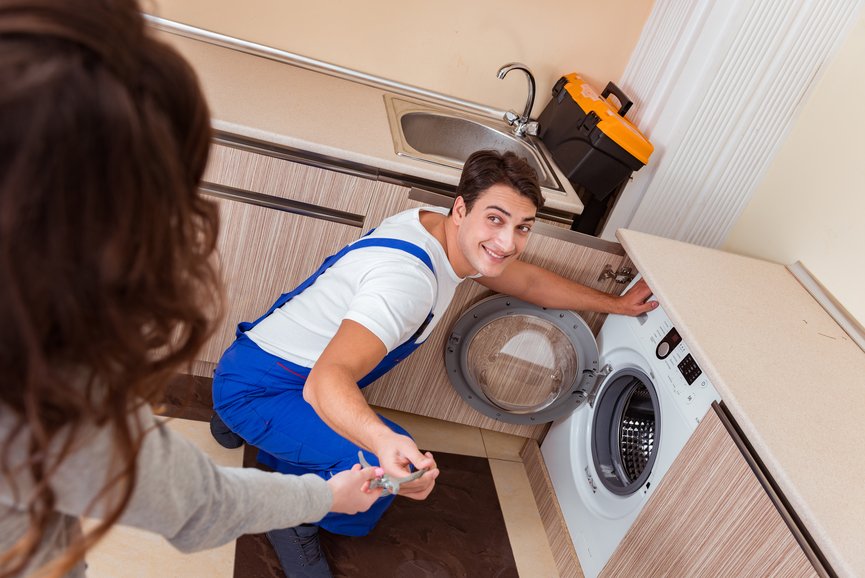
Repairman repairing washing machine at kitchen


Simple Fixes For A Washing Machine That Won’t Drain

This article tells the reader how to check the pump that clears water out of the washing machine and how to fix a clogged drain. If there is no water coming out of the washing machine after it has been run, it may be due to a clogged drain. If a washer backs up after it has been filled with clothes, there may be lint or other materials in the drain that is blocking the flow of water.

The article also tells the reader about Traditional Drain Clogs, Lid Switches, and Hoses. If the washing machine won’t drain, it could be due to a simple clog in the drain hose, or a malfunctioning lid switch. To remove the drain hose, unplug the machine and locate the hose which connects to either a wall or floor drain. Disconnect it and check for clogs. If you find one, use a plunger or wire hanger to try and clear it out.

If you suspect that your washer isn’t draining, there are some simple fixes you can try. First, replace your drain hose if it’s clogged or leaking water. Disconnect the drain hose from the back of the washer and check for clogs. If you find one, hold onto the hose and move it around to try and dislodge any objects that may have come loose inside. You can also disconnect your washer from its power source and remove the clog with a pair of pliers.

If you find that your washing machine is making operating noise but not draining, it could be due to a failed pump. To make sure the pump is working properly, you should check it for any obstructions. If there are no obstructions, then you can try to replace the pump. If there are items like rugs or other large items in the washer that may have been pinched in the drain hose, this could cause a clog and prevent as much water from draining as you need. To fix this issue, remove the hose and look for any blockages or kinks. If there are no obstructions found, then reconnect the hose to your washing machine and try washing items again.

If the washer still isn’t draining, then there may be a few different problems that are causing the drain issue. You could try replacing your device if it is old and worn out, but if that doesn’t work you may need to call a technician to take a look. Before starting your appliance again make sure all of the draining water has been removed from the washer.

If your washer won’t drain, the first step is to check for a clogged drain. This could be caused by a blockage in the drain hose or in the house drain itself. If you suspect your house’s plumbing is clogged, contact a plumber to investigate and clear any blockage. If it is simply a clogged washer drain, you can use a plunger or other tool to progress your washer and allow it to run dryer. Doing so will help prevent further damage from occurring and will let water level sensors function properly again.

When draining your washing machine, make sure that you don’t have too much laundry detergent in it. Too much detergent can cause the water to become super soapy and not drain properly. If your washing machine has a draining tub, empty it out and make sure that the drain hose isn’t clogged or blocked. To further assist with draining your washer, turn off your dryer as it can contain an excessive amount of water when running simultaneously with the washer. If all else fails, disconnect the drain hose from the back of the machine and put it into a laundry room tub to allow for proper draining. Make sure that you have something at hand to contain any sudsy water that may come out as this will help keep any mess contained to one area.

If you find that your washing machine won’t drain, there are several simple fixes you can try before calling a professional. First, check to see if the drain hose is clogged or blocked. If it is, remove the washing machine panel and check for any blockages in the hose. If the hose is clear, then check to see if there is an issue with the pump or water level switch. To do this, remove the washtub back and locate the water pump. Try pumping water out of the tub by hand until it begins draining normally.

If that doesn’t work, you may need to check the drain pump. To access the drain pump, you will need to remove the washer’s front panel. Once you have access to the drain pump, inspect it for any clogs or blockages. If there is a clog, carefully remove it and then try draining again. If that doesn’t work, you may need to become drain your tub and disconnect the pump from its hoses. Once disconnected, pull out the pump and inspect it for any items like coins or other debris that may be blocking the impeller blades from working properly. If your washing machine is a top loader, tip washer forward so you can access its bottom front panel and then pull out your drain pump filter.

If your washing machine is a front loader, then remove the bottom access panel for the drain pump filter. Check the standpipe in your plumbing drain and disconnect the hose from it. If there is a clog, use a small power drain snake to remove it. Then pour some water into the drain drum to ensure that the clog has been removed and reattach hose back to standpipe. To avoid flooding your laundry room floor, place a bucket or large bowl under washer when you are disconnecting and reconnecting hose.

Simple fixes for a washing machine that won’t drain can include checking the drain pipe for blockages, cleaning the pump filter of soap residue buildup, and making sure the drain / spin cycle is working. In some washing machine models, the small hose connecting the washer to the drainage system may be blocking the flow of water. This could be caused by buildup of leftover dryer lint or grease and oils from pockets in clothes such as jeans. Coins and tissues should also be checked as they can get caught in the spin cycle.

Another reason for a washing machine that won’t drain could be due to a bent drain hose. If your drain pump is not functioning properly, it can cause water to back up and not drain away properly. A clog in the hose or the drain line can also be a cause of a washing machine that won’t drain.

To schedule washing machine repairs in Oklahoma City contact Appliance Repair OKC Services by calling 405-378-4566 or you can visit our website at https://www.okcappliance.com. Also our Google business website can be found at https://cutt.ly/YEnc8qk. Call now!


The post Simple fixes for a washing machine that won’t drain appeared first on Appliance Repair OKC Services | Best Appliance, Washing Machine Repair Company in Oklahoma.

Wednesday, February 15, 2023

Tips for maintaining your washing machine to avoid repairs


Woman Looking At Male Technician Repairing Washing Machine


Tips For Maintaining Your Washing Machine To Avoid Repairs

This article describes how to maintain your washing machine to avoid repairs, including monthly maintenance tasks such as cleaning the lint trap and replacing the door gasket, and proper ways to use washing machines every time you wash a load of clothes. Cleaning your washing machine can help prevent plumbing problems and keep it running smoothly. It is important to perform regular maintenance on your home’s washing machine in order to prevent water leaks or damage that may require professional repair.

Performing routine maintenance can help extend the life of the appliance and prevent costly repairs or even replacement. The best way to improve appliance maintenance is to use your washing machine properly and follow some best practices. Make sure to keep your washing machine clean, as lint, dirt and residue can build up over time, causing damage. It is also important to check the hoses and connections once a month for signs of wear or deterioration. Additionally, you should always follow manufacturer instructions on how to use your washer correctly in order to protect the appliance from damage. If you need help with any monthly maintenance tasks, contact a professional repair service for assistance.

Washing machines are one of the most important appliances in the home and need to be kept in good working condition. Regular maintenance of your washing machine will help ensure that it continues to work properly and helps you avoid costly repairs. When working with your washing machine, make sure to repair leading brand washers if they fail. If you have a washer-dryer combo, you’ll also need to clean both units regularly. Sometimes washing machines need more than just regular cleaning, they need special attention when it comes to cleaning the interiors. Make sure you give your washing machine’s drum and dispensers a good scrubbing every few months or so, and wash your clothing in hot water when possible. This will help keep the appliance running smoothly and prevent any problems from occurring down the road. If your washer fails or needs maintenance, contact Wilshire Refrigeration for assistance from a qualified repairman.

To maintain your washing machine and avoid repairs, be sure to routinely clean the lint trap. This will help prevent plumbing clogs in your homes drain lines. Lint particles can easily get trapped in the lint filter and cause a buildup of residue. It is also important to remove all fabric softener residue from the trap machine after every load. You should also periodically flush out the detergent drawer with soap and water to ensure that no residue accumulates over time.

If you have a needs washing machine, it’s important to take care of it properly. Taking the washing machine out of the house and checking the three hoses connected to the tub is one way to prevent leakages and cracks. Also make sure to remove any dirty water from inside the tub. Regularly cleaning your lint filter helps ensure that your machine needs less maintenance and repairs. A lint collector can catch remaining materials that would otherwise remain on our clothes after a wash cycle.

It is also a good preventive maintenance practice to replace your hoses every three years as rubber hoses wear weakness and may break. When replacing the hose, make sure to use braided metal hoses instead of rubber ones. Before replacing the hose, it is important to check for any cracks or breaks that might already be present. Unplug your machine before unhooking and replacing the old hose and shut off the water supply in order to avoid flooding. To be extra safe, ask for help if you are not sure how to turn off water from your home or access other parts of your washing machine.

It is important to check the hoses and washers regularly. Connecting water supply hoses should be done with care, and all washers and hoses should be replaced if necessary. Making your washer maintenance a regular routine will help to prevent accidents or costly repairs. Clean the water intake, add equal parts of water and vinegar to the drum, and clean gaskets as well as intake filters. This is best practice when it comes to maintaining your washing machine and preventing leaks.

First, clean your washer with a damp cloth and make sure to check the hoses for any wear or tear. Check the door gasket for any signs of damage and clean it properly. Next, make sure to use a low-temperature wash setting when washing a load of laundry so as to not put too much strain on your machine. Lastly, consider replacing your water hoses every few years in order to avoid odors and damaged hoses that could lead to leaks. These are some quick maintenance tips that should be done regularly in order to keep your washing machine running smoothly without needing repairs. Additionally, there are monthly maintenance tasks that should be done such as checking the door gasket for any tears or cracks, making sure all the water hoses are secure and not leaking, and cleaning out any lint or debris from around the drum area of the machine.

Keeping your washing machine clean and well-maintained can extend its life, save you money on repairs, and keep your clothes looking their best. To enable regular cleaning and maintenance of your washing machine, it is important to keep regular maintenance washes. This will help to remove lint, bacteria, mold, and mildew that can build up in the machine over time. Additionally, washing your clothes on a hot setting will help to kill any bacteria or fungi that may be present in the wash water.
To keep your clothes fresher and cleaner, make a habit of emptying your pockets before starting a wash cycle. Washing only a few dirty socks can cause product buildup in your washers dispensers, so it is important to continue to run your machine with a full load if possible. You can also add baking soda and hot water to the washing machine every few months to help remove any product buildup. Finally, keeping your washer clean by wiping down the inside walls and tub after each wash cycle will help keep it in top condition and allow for more efficient wash cycles.

If you have a Maytag washer, it’s also important to check the vent cap periodically. You can use your vacuum to clean out the dryers exhaust vent every couple of months. Also, don’t forget to clean the lint trap and remove any debris from around the agitator. Finally, make sure that air is passing through the center tube in your machine while it is running.

To schedule washing machine repairs in Oklahoma City contact Appliance Repair OKC Services by calling 405-378-4566 or you can visit our website at https://www.okcappliance.com. Also our Google business website can be found at https://cutt.ly/YEnc8qk. Call now!


The post Tips for maintaining your washing machine to avoid repairs appeared first on Appliance Repair OKC Services | Best Appliance, Washing Machine Repair Company in Oklahoma.
Wednesday, February 8, 2023

What to Do When Your Washing Machine Won’t Start

Washer Repair OKC

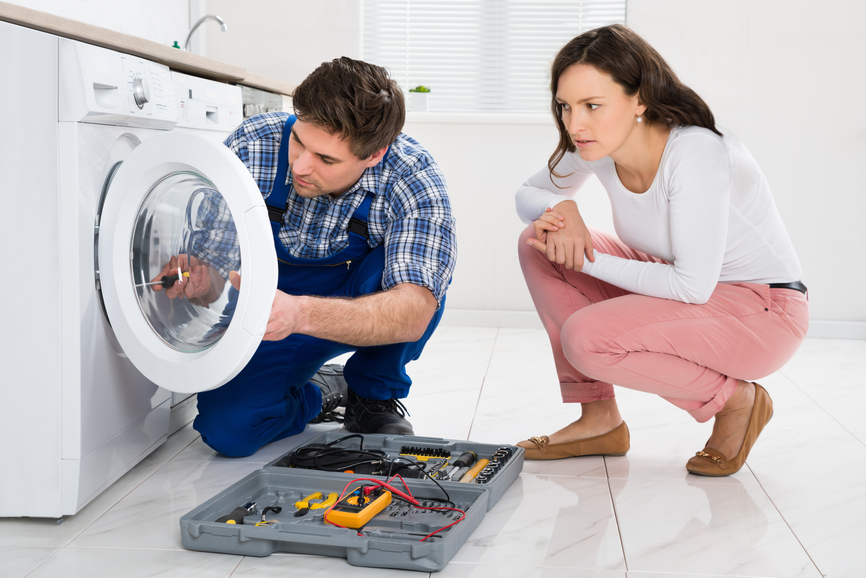
Repairman Repairing Washer In Front Of Young Woman In Kitchen At Home


What to Do When Your Washing Machine Won’t Start

A washing machine that won’t start can be a frustrating and time-consuming problem. There are several reasons why your washing machine might not be starting, and most of these issues can be resolved easily with a little bit of troubleshooting. In this article, we will outline some of the most common reasons why a washing machine might not start and what you can do to fix the issue.

Check the Power Supply
The first thing you should check when your washing machine won’t start is the power supply. Make sure the washing machine is properly plugged into a functioning electrical outlet, and check the circuit breaker to ensure that it has not tripped. If the outlet is not working, try plugging the washing machine into a different outlet. If the circuit breaker has tripped, reset it by turning it off and then back on.

Check the Door Latch
Another common cause of a washing machine not starting is a faulty door latch. Make sure the door is closed securely and that the latch is engaged. If the latch is broken, it will need to be replaced.

Check the Control Panel
If the power supply and door latch are both functioning properly, the issue may be with the control panel. Check the control panel to ensure that all buttons are functioning correctly and that the display is working. If there is a problem with the control panel, it may need to be replaced.

Check the Timer
If the control panel is functioning properly, the issue may be with the timer. The timer controls the start and stop of the washing cycle. If the timer is not functioning properly, it will need to be replaced.

Check the Motor
The motor is responsible for turning the drum and agitator. If the motor is not functioning properly, the washing machine will not start. If the motor is faulty, it will need to be replaced.

Check the Drive Belt
The drive belt connects the motor to the drum. If the drive belt is broken or loose, the washing machine will not start. The drive belt will need to be replaced if it is found to be the cause of the problem.

Call a Professional
If you have tried all of the above troubleshooting steps and your washing machine still will not start, it may be time to call a professional. A trained technician will be able to diagnose the problem and perform the necessary repairs.

If your washing machine won’t start, don’t panic. There are several common issues that can be easily resolved with a little bit of troubleshooting. Check the power supply, door latch, control panel, timer, motor, and drive belt to determine the cause of the problem. If you are unable to resolve the issue on your own, it may be time to call a professional for assistance.

Check the Water Inlet Valve
The water inlet valve is responsible for allowing water to enter the washing machine. If the valve is clogged or not functioning properly, the machine may not start. Check the valve to ensure that it is not clogged and that it is allowing water to flow into the machine. If the valve is not working, it will need to be replaced.

Check the Drain Pump
The drain pump is responsible for draining the water from the washing machine. If the drain pump is clogged or not functioning properly, the machine may not start. Check the pump to ensure that it is not clogged and that it is functioning properly. If the pump is not working, it will need to be replaced.

Check the Lid Switch
The lid switch is responsible for ensuring that the lid is closed before the washing machine will start. If the switch is not functioning properly, the machine may not start. Check the switch to ensure that it is functioning properly. If the switch is not working, it will need to be replaced.

Check the Water Level Switch
The water level switch is responsible for ensuring that the proper water level is reached before the washing machine will start. If the switch is not functioning properly, the machine may not start. Check the switch to ensure that it is functioning properly. If the switch is not working, it will need to be replaced.

Check the Temperature Control
The temperature control is responsible for regulating the temperature of the water in the washing machine. If the temperature control is not functioning properly, the machine may not start. Check the control to ensure that it is functioning properly. If the control is not working, it will need to be replaced.

Check the Main Control Board
The main control board is responsible for controlling the operation of the washing machine. If the board is not functioning properly, the machine may not start. Check the board to ensure that it is functioning properly. If the board is not working, it will need to be replaced.

In addition to the above troubleshooting steps, it is important to regularly maintain your washing machine to avoid potential issues. Regular cleaning, checking for leaks, and monitoring the machine’s performance can help prevent problems from arising.

If you are unsure about how to perform any of the above troubleshooting steps, it is best to consult the manufacturer’s manual or seek the assistance of a professional. Attempting to repair the washing machine without proper knowledge and training can result in further damage and increased repair costs.

In conclusion, if your washing machine won’t start, there are several common issues that can be easily resolved with a little bit of troubleshooting. By checking the power supply, door latch, control panel, timer, motor, drive belt, water inlet valve, drain pump, lid switch, water level switch, temperature control, and main control board, you can determine the cause of the problem and take the appropriate steps to resolve it. Regular maintenance can also help prevent issues from arising. If you are unsure about how to troubleshoot or repair the washing machine, it is best to consult a professional for assistance.

To schedule washing machine repairs in Oklahoma City contact Appliance Repair OKC Services by calling 405-378-4566 or you can visit our website at https://www.okcappliance.com. Also our Google business website can be found at https://cutt.ly/YEnc8qk. Call now!


The post What to Do When Your Washing Machine Won’t Start appeared first on Appliance Repair OKC Services | Best Appliance, Washing Machine Repair Company in Oklahoma.

Thursday, January 26, 2023


My Washing Machine Has Stopped Filling With Water?

This article talks about a few ways to check if your washing machine is not filling with water, and suggests checking the filter, water valves, and hoses. If all of these checks result in no solution, then you may need to call a professional. If your washing machine has stopped filling with water, then there are a few simple checks that you can make. Firstly, check the water tap and ensure it is fully open and the water is running. Then check the water valves and filters to ensure that there is an adequate water supply coming through.

If there is, then check the fill hose to make sure that it isn't blocked or twisted as this can prevent the flow of water into your machine. If all of these checks result in no solution, then you may need to call a professional. It's also worth checking your mains supply to make sure that there is a decent flow rate, which can be affected by any twisted pipes or other obstructions in the line.

If you suspect there might be a problem with your water valve or hose, check them for any kinks or breaks. If the hose is old and worn, it could be blocking the flow of water and preventing it from reaching the washer tub. Alternatively, if the water inlet valve has become blocked or jammed, this could also prevent water from filling your washer.

Posted via https://local.google.com/place?id=13728082591528836518&use=posts&lpsid=2152549247427252139