Showing posts with label washing machine repair lg. Show all posts

Friday, June 14, 2024

What to Do When Your Washer Isn’t Spinning Properly

washing machine repair Oklahoma City

What To Do When Your Washer Isn’t Spinning Properly

Common Reasons Why Your Washer Isn’t Spinning Properly

When your washer isn’t spinning properly, several common factors could be to blame. This can disrupt your laundry routine and leave clothes sopping wet. One frequent culprit is an unbalanced load. If the clothing inside the drum is unevenly distributed, the washer’s sensors may prevent it from reaching full spin speed to avoid damaging itself. This issue often arises with bulky items like blankets or when mixing heavy and light fabrics.

Another potential reason is a clogged or faulty drain pump. If water isn’t draining correctly, the washer may not enter the spin cycle as it should. Similarly, a malfunctioning lid switch or door lock can also halt spinning operations; modern washers are designed not to spin if they detect that the door isn’t securely closed for safety reasons.

Additionally, worn-out drive belts or motor couplings can lead to inadequate spinning power. These components transfer motion from the motor to the drum; they can’t effectively do their job if they’re damaged or stretched out. Electrical issues, such as a malfunctioning control board or timer, can also interfere with proper spinning cycles.

Understanding these common reasons helps diagnose and resolve spinning problems quickly, ensuring your laundry routine returns to normal without delay.

How To Diagnose The Issue With Your Washing Machine

Diagnosing why your washing machine isn’t spinning correctly requires a step-by-step approach to identify the root cause. Begin by checking the load balance inside the drum. Overloading or unevenly distributing clothes can prevent the washer from spinning efficiently. Ensure that heavier items like towels are evenly spread and not clumped together.

Next, inspect the lid switch, a safety feature that stops the washer from spinning when the lid is open. If this switch is faulty or broken, it may prevent the spin cycle from starting. You can test this by manually engaging the switch with a small tool while running a spin cycle.

Another critical area to examine is the drive belt, which connects the motor to the drum. A worn or broken belt can hinder proper spinning action. Remove any panels necessary to access and inspect for wear, cracks, or breaks.

Additionally, check for any error codes displayed on digital models; these codes can provide specific information about what might be malfunctioning. Finally, listen for unusual noises during operation, which might indicate issues with internal components like bearings or motor couplings that could impede spinning performance.

By methodically inspecting these elements, you can more accurately identify what’s preventing your washing machine from operating correctly and take appropriate steps to fix it.

Steps To Take Before Calling A Professional Washer Repair Service

Before you reach out to a professional washer repair service, there are several steps you can take to troubleshoot and possibly resolve the issue on your own. Firstly, check if the washer is level. An uneven surface can cause imbalance, preventing the spin cycle from functioning correctly. Use a spirit level to ensure that all four corners are firmly in contact with the ground, and adjust the feet if necessary.

Next, examine the load inside the washer. Overloading or underloading can disrupt the balance of the drum, causing it not to spin correctly. Redistribute or remove some items and try rerunning a spin cycle.

Additionally, inspect for any obstructions in the drain hose or pump filter. Blockages here can impede water drainage, which is crucial for spinning. Clear any debris or lint that may have accumulated.

Also, verify that you’re using the correct wash cycle settings for your type of load. Some fabrics require specific spin speeds and settings.

Lastly, unplug your washer for a few minutes and then plug it back in to reset its internal computer system. These preliminary steps could save you time and money by resolving minor issues without professional intervention.

Tips For Maintaining Your Washing Machine To Prevent Future Issues

Maintaining your washing machine is crucial to ensure it operates efficiently and to prevent issues such as the drum not spinning correctly. One essential practice is regularly cleaning the machine’s interior and exterior. Soap residue, fabric softener, and lint can accumulate over time, affecting performance. Running an empty cycle with white vinegar or a washing machine cleaner can help remove this buildup.

Equally important is checking and cleaning the filter periodically. A clogged filter can obstruct water flow and strain the motor, leading to potential spin problems. Additionally, inspect the hoses for wear or leaks; replacing them every few years can prevent unexpected breakdowns.

Avoid overloading your washer, as it puts extra stress on mechanical components like belts and motors. Balancing loads properly ensures even distribution, which helps maintain smooth operation. Using the right type and amount of detergent also plays a role in maintenance; too much detergent can create excess suds that are difficult to rinse.

Finally, leaving the door open after each wash allows moisture to evaporate, preventing mold growth and unpleasant odors that could affect both your laundry and the machine’s longevity. Regular attention to these aspects will keep your washing machine running smoothly for years.

Signs That Indicate It’s Time To Seek Professional Washing Machine Repair

When your washing machine isn’t spinning correctly, it can be a frustrating experience, but some signs indicate that it’s time to seek professional help rather than attempting a DIY fix. One of the most telling signs is persistent noise during the spin cycle. If you hear grinding, banging, or excessive vibration, this could indicate an internal mechanical issue, such as worn-out bearings or an unbalanced drum requiring specialized tools and expertise.

Another sign is water not draining correctly after the wash cycle. This can point to a clogged drain hose or pump filter but might also indicate more serious issues, like a malfunctioning pump. Additionally, if your clothes are excessively wet at the end of the cycle despite setting it on high spin speed, this could suggest that the motor or drive belt is failing.

Electrical issues such as frequent circuit breaker tripping or erratic control panel behavior also warrant professional attention. These problems often involve complex electrical diagnostics that someone with technical training best handles.

Ignoring these signs can lead to more significant issues, potentially costing more repairs or necessitating a complete washing machine replacement. Therefore, recognizing when to call in a professional can save you time and money in the long run.

The Importance Of Addressing Spinning Problems Promptly

Addressing spinning problems in your washing machine promptly is crucial for several reasons. Firstly, a malfunctioning spin cycle can leave clothes excessively wet, leading to longer drying times and potentially fostering mold growth. This affects the cleanliness of your laundry and poses health risks due to the damp environment that encourages bacteria and mildew proliferation. Additionally, a washer that isn’t spinning correctly can signal underlying mechanical issues that, if left unattended, may escalate into more significant and costly repairs.

Ignoring these problems can also result in decreased efficiency. A compromised spin cycle means your washer works harder to achieve less satisfactory results, leading to higher energy consumption and increased utility bills. Moreover, persistent spinning issues can cause undue wear and tear on other washing machine components. Over time, this strain could shorten the appliance’s lifespan, necessitating premature replacement.

Therefore, addressing spinning problems promptly ensures that your laundry routine remains efficient and effective and protects your investment by maintaining the longevity and performance of your washing machine. Taking immediate action helps avoid inconvenience and potential hazards while safeguarding your home environment and finances.

Questions To Ask When Hiring A Washer Repair Technician

When your washer isn’t spinning correctly, and you’ve decided to call in a professional, asking the right questions is crucial to hiring a qualified and trustworthy technician. Start by inquiring about their experience with your specific washer make and model. Some technicians may specialize in particular brands, which could improve your service quality.

Additionally, ask about their certification and training. Technicians with formal training or certifications from recognized institutions are more likely to provide reliable repairs.

It’s also important to discuss their diagnostic approach. Understanding how they plan to identify the problem can give you insight into their expertise and thoroughness. Ask if they use any specialized equipment or techniques that could expedite the repair process without compromising quality.

Moreover, don’t overlook practical considerations such as availability and cost. If your situation is urgent, confirm whether they offer emergency services and request an estimate for both labor and parts before any work begins. Finally, inquire about warranties or guarantees on their work; reputable technicians often stand by their repairs with some form of assurance. By asking these thoughtful questions, you can confidently select a skilled technician who will efficiently restore your washer’s functionality.

Preventative Measures To Avoid Frequent Washing Machine Problems

Preventative measures are essential to ensure your washing machine’s longevity and efficient functioning, thereby avoiding frequent problems like improper spinning. One crucial aspect is regular maintenance, which includes inspecting hoses for signs of wear and tear. Replacing these every few years can prevent leaks that might lead to more severe issues. Keeping the machine balanced is another crucial factor; an unbalanced washer can cause excessive vibrations and strain on internal components. Therefore, always load clothes evenly and avoid overloading.

Additionally, using the right type and amount of detergent is vital. High-efficiency detergents are formulated to produce fewer suds, which reduces residue buildup inside the drum and hoses. This not only improves washing performance but also minimizes wear on mechanical parts.

Moreover, running a cleaning cycle periodically using a commercial washing machine cleaner or a mix of vinegar and baking soda is beneficial. This helps remove any accumulated soap scum or mildew that could affect the machine’s performance.

Lastly, leaving the door or lid between washes evaporates moisture, preventing mold growth inside the drum. These simple yet effective preventative measures can go a long way in ensuring your washer operates smoothly for years to come.

To schedule washing machine repairs in Oklahoma City, contact Appliance Repair OKC Services by calling 405-378-4566 or visiting our website at https://www.okcappliance.com. Our Google business website can also be found at https://cutt.ly/YEnc8qk. Call now!


The post What to Do When Your Washer Isn’t Spinning Properly appeared first on Appliance Repair OKC Services | Best Appliance, Washing Machine Repair Company in Oklahoma.

Thursday, August 10, 2023

From Rumbles to Rattles: Sound Anomalies in Washing Machines

From Rumbles to Rattles: Sound Anomalies in Washing Machines

The washing machine, a staple in modern households, has transformed the labor-intensive task of laundry into a simple chore. As we grow accustomed to its humming and the rhythmic sound of clothes tumbling, any deviation from this familiar soundscape can be alarming. Sound anomalies, from rumbles to rattles, can hint at minor and significant underlying issues.

A Symphony of Normal Washer Sounds

One must first understand the symphony of sounds that a typical washer produces to discern between normal and abnormal washing machine noises. During the wash and rinse cycles, a soft sloshing accompanied by a gentle motor hum can be heard. As the machine progresses to the spin cycle, the pace quickens and the drum’s revolutions produce a more assertive hum. These are all expected, and any dramatic deviation suggests that your appliance might need attention.

The Rumble and Its Implications

A rumbling sound, particularly during the spin cycle, often indicates an unbalanced load. This can happen when heavy items clump together on one side of the drum, causing uneven distribution. While occasionally experiencing this due to uneven loading is common, frequent rumbling could hint at worn-out drum supports or bearings, which might require expert attention.

Rattles and Loose Objects

Rattling can be alarming, but sometimes, the culprits are easily identified. Loose coins, keys, or other small objects that inadvertently end up in the wash can get trapped and produce this sound. However, if you’ve ruled out foreign objects, the rattling might be due to loose internal components, such as a deteriorating pulley system or a failing motor coupling.

The High-Pitched Squeal

A squealing or screeching noise typically points to a belt issue. Drive belts, which connect the motor to the drum, can wear out, become misaligned, or lose tension over time. When this happens, they might produce a squeal, especially during the start of a cycle. A worn-out belt can snap if left unaddressed, rendering the washing machine inoperative.

The Gurgling Drain

A gurgling sound, particularly during the draining phase, can suggest issues with the drain pump or the hose. Small objects or lint buildup can obstruct the flow, causing the distinctive noise. While some obstructions can be easily removed, persistent gurgling might indicate a pump malfunction or a need to replace hoses.

Water Sloshing Post-Cycle

If you hear water sloshing inside the machine after the cycle has finished, it might indicate incomplete draining. While it’s normal for some water to remain in the washer, excessive amounts can lead to mold growth and odors.

The Significance of Silence

Ironically, a silent washer can be as concerning as a noisy one. If the machine is quiet during a cycle, it should be performing; it might indicate issues with the motor, the timer, or even the machine’s power connection.

Seeking Expertise for Sound Solutions

While recognizing these sound anomalies is vital, addressing them requires a nuanced understanding of washing machine mechanics. For instance, replacing belts or realigning drums might seem straightforward, but such tasks can be intricate and, if done incorrectly, can exacerbate the issue.

Moreover, with digital interfaces and complex programming, modern washing machines can be challenging to troubleshoot without the right tools and expertise. This is where the role of professional appliance repair services becomes invaluable. Experts have a keen ear for sound anomalies and possess the technical knowledge to diagnose and address the root causes.

Addressing sound anomalies promptly can also prevent more significant problems down the road. For instance, a misaligned belt, if ignored, can lead to motor damage. Similarly, unresolved draining issues can deteriorate the machine’s internal components.

In conclusion, our washing machines communicate their well-being through their array of sounds. From the gentle hum of a regular cycle to the alarming rattle of a trapped coin, these sounds tell tales of efficient operation and potential problems. By tuning into these auditory cues and seeking professional guidance when anomalies arise, we ensure that our trusted laundry companion remains in optimal condition, serving us reliably for years.

To schedule washing machine repairs in Oklahoma City contact Appliance Repair OKC Services by calling 405-378-4566 or you can visit our website at https://www.okcappliance.com. Also our Google business website can be found at https://cutt.ly/YEnc8qk. Call now!


The post From Rumbles to Rattles: Sound Anomalies in Washing Machines appeared first on Appliance Repair OKC Services | Best Appliance, Washing Machine Repair Company in Oklahoma.
Thursday, March 9, 2023

Simple fixes for a washing machine that won’t drain

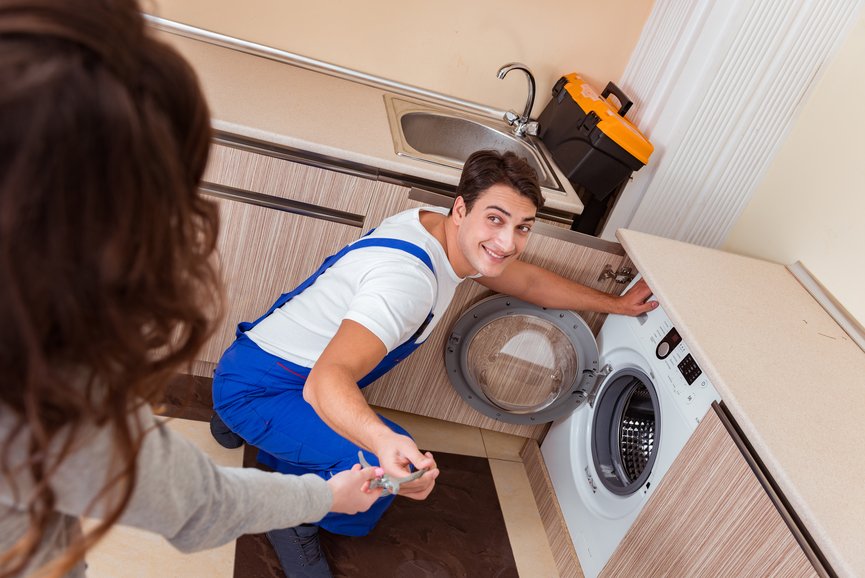
Repairman repairing washing machine at kitchen


Simple Fixes For A Washing Machine That Won’t Drain

This article tells the reader how to check the pump that clears water out of the washing machine and how to fix a clogged drain. If there is no water coming out of the washing machine after it has been run, it may be due to a clogged drain. If a washer backs up after it has been filled with clothes, there may be lint or other materials in the drain that is blocking the flow of water.

The article also tells the reader about Traditional Drain Clogs, Lid Switches, and Hoses. If the washing machine won’t drain, it could be due to a simple clog in the drain hose, or a malfunctioning lid switch. To remove the drain hose, unplug the machine and locate the hose which connects to either a wall or floor drain. Disconnect it and check for clogs. If you find one, use a plunger or wire hanger to try and clear it out.

If you suspect that your washer isn’t draining, there are some simple fixes you can try. First, replace your drain hose if it’s clogged or leaking water. Disconnect the drain hose from the back of the washer and check for clogs. If you find one, hold onto the hose and move it around to try and dislodge any objects that may have come loose inside. You can also disconnect your washer from its power source and remove the clog with a pair of pliers.

If you find that your washing machine is making operating noise but not draining, it could be due to a failed pump. To make sure the pump is working properly, you should check it for any obstructions. If there are no obstructions, then you can try to replace the pump. If there are items like rugs or other large items in the washer that may have been pinched in the drain hose, this could cause a clog and prevent as much water from draining as you need. To fix this issue, remove the hose and look for any blockages or kinks. If there are no obstructions found, then reconnect the hose to your washing machine and try washing items again.

If the washer still isn’t draining, then there may be a few different problems that are causing the drain issue. You could try replacing your device if it is old and worn out, but if that doesn’t work you may need to call a technician to take a look. Before starting your appliance again make sure all of the draining water has been removed from the washer.

If your washer won’t drain, the first step is to check for a clogged drain. This could be caused by a blockage in the drain hose or in the house drain itself. If you suspect your house’s plumbing is clogged, contact a plumber to investigate and clear any blockage. If it is simply a clogged washer drain, you can use a plunger or other tool to progress your washer and allow it to run dryer. Doing so will help prevent further damage from occurring and will let water level sensors function properly again.

When draining your washing machine, make sure that you don’t have too much laundry detergent in it. Too much detergent can cause the water to become super soapy and not drain properly. If your washing machine has a draining tub, empty it out and make sure that the drain hose isn’t clogged or blocked. To further assist with draining your washer, turn off your dryer as it can contain an excessive amount of water when running simultaneously with the washer. If all else fails, disconnect the drain hose from the back of the machine and put it into a laundry room tub to allow for proper draining. Make sure that you have something at hand to contain any sudsy water that may come out as this will help keep any mess contained to one area.

If you find that your washing machine won’t drain, there are several simple fixes you can try before calling a professional. First, check to see if the drain hose is clogged or blocked. If it is, remove the washing machine panel and check for any blockages in the hose. If the hose is clear, then check to see if there is an issue with the pump or water level switch. To do this, remove the washtub back and locate the water pump. Try pumping water out of the tub by hand until it begins draining normally.

If that doesn’t work, you may need to check the drain pump. To access the drain pump, you will need to remove the washer’s front panel. Once you have access to the drain pump, inspect it for any clogs or blockages. If there is a clog, carefully remove it and then try draining again. If that doesn’t work, you may need to become drain your tub and disconnect the pump from its hoses. Once disconnected, pull out the pump and inspect it for any items like coins or other debris that may be blocking the impeller blades from working properly. If your washing machine is a top loader, tip washer forward so you can access its bottom front panel and then pull out your drain pump filter.

If your washing machine is a front loader, then remove the bottom access panel for the drain pump filter. Check the standpipe in your plumbing drain and disconnect the hose from it. If there is a clog, use a small power drain snake to remove it. Then pour some water into the drain drum to ensure that the clog has been removed and reattach hose back to standpipe. To avoid flooding your laundry room floor, place a bucket or large bowl under washer when you are disconnecting and reconnecting hose.

Simple fixes for a washing machine that won’t drain can include checking the drain pipe for blockages, cleaning the pump filter of soap residue buildup, and making sure the drain / spin cycle is working. In some washing machine models, the small hose connecting the washer to the drainage system may be blocking the flow of water. This could be caused by buildup of leftover dryer lint or grease and oils from pockets in clothes such as jeans. Coins and tissues should also be checked as they can get caught in the spin cycle.

Another reason for a washing machine that won’t drain could be due to a bent drain hose. If your drain pump is not functioning properly, it can cause water to back up and not drain away properly. A clog in the hose or the drain line can also be a cause of a washing machine that won’t drain.

To schedule washing machine repairs in Oklahoma City contact Appliance Repair OKC Services by calling 405-378-4566 or you can visit our website at https://www.okcappliance.com. Also our Google business website can be found at https://cutt.ly/YEnc8qk. Call now!


The post Simple fixes for a washing machine that won’t drain appeared first on Appliance Repair OKC Services | Best Appliance, Washing Machine Repair Company in Oklahoma.

Thursday, January 26, 2023


My Washing Machine Has Stopped Filling With Water?

This article talks about a few ways to check if your washing machine is not filling with water, and suggests checking the filter, water valves, and hoses. If all of these checks result in no solution, then you may need to call a professional. If your washing machine has stopped filling with water, then there are a few simple checks that you can make. Firstly, check the water tap and ensure it is fully open and the water is running. Then check the water valves and filters to ensure that there is an adequate water supply coming through.

If there is, then check the fill hose to make sure that it isn't blocked or twisted as this can prevent the flow of water into your machine. If all of these checks result in no solution, then you may need to call a professional. It's also worth checking your mains supply to make sure that there is a decent flow rate, which can be affected by any twisted pipes or other obstructions in the line.

If you suspect there might be a problem with your water valve or hose, check them for any kinks or breaks. If the hose is old and worn, it could be blocking the flow of water and preventing it from reaching the washer tub. Alternatively, if the water inlet valve has become blocked or jammed, this could also prevent water from filling your washer.

Posted via https://local.google.com/place?id=13728082591528836518&use=posts&lpsid=2152549247427252139